Picture a moonlit vineyard in California, where workers harvest grapes under the glow of headlamps. Or a Midwest cornfield, where tractors rumble through the darkness guided by glowing GPS screens. Farming after sunset is no longer unusual—it's becoming a trend in today's agricultural landscape.
As climate change intensifies, labor shortages persist, and technology advances, farmers around the world are turning to nighttime operations to stay competitive. This blog explores why night work is rising, its risks, and how innovations like FJD Autosteer are making after-hours farming safer and more efficient.
The Rise of Night Work in Modern Farming
Farming is no longer just a daytime job. Across the U.S., farmers are starting to do important work at night to deal with today's challenges. For example, farmers in California's Napa Valley harvest wine grapes after sunset, while Texas growers pick their onions under the stars. This trend includes activities like watering fields, spraying pesticides, and preparing equipment—all done at night to avoid heat, save resources, and keep up with demand.
One big reason farmers work at night is to protect crops from extreme heat. Delicate crops like lettuce, tomatoes, and grapes can wilt or spoil in the sun, making them lose freshness and value. By harvesting these crops when it's cooler at night, farmers can keep their flavor and texture intact. Likewise, spraying pesticides or irrigating at night helps save water (less evaporates) and prevents chemicals from being blown away by wind.
Night shifts also help farmers work smarter. Usually, it's hard to find enough workers during the day, so having crews work day and night in turns ensures there is enough labor. Plus, fixing tractors or getting fields ready after dark frees up daylight hours for important tasks like planting or harvesting. This around-the-clock approach helps farmers stay productive while dealing with challenges like climate change and tight deadlines.
Why Farmers Are Embracing the Dark?
Even though farming at night might seem strange at first, it's quickly becoming popular with farmers. Traditionally, farming is linked to sunlight since crops need the sun's energy to grow. So, working in the dark might seem odd. But many strong reasons are making farmers change their ways and try this new method.
Escaping the heat
Climate change is making daytime temperatures dangerously hot. In California's Central Valley, for example, summer temperatures often go over 100°F (38°C), which can cause heatstroke. The California's Heat Illness Prevention Standard says workers need shade, water, and breaks when it's 80°F (27°C) or hotter. But by working at night, farmers can completely avoid these heat dangers. For instance, melon farmers in Arizona now harvest at night to follow their state's laws about preventing heat illness.
Labor shortages in agriculture
Many countries are having trouble finding enough people to work on farms. Fewer and fewer people want tough farm jobs, especially as young people move to cities for better-paying work. This lack of workers means farmers are rushing to plant and harvest crops, which can lead to food waste or higher prices. Night shifts help farmers make the most of the workers they have. For example, in Chile, cherry farmers use night crews to pick fruit fast before it goes bad.
Quality and market demands
Some crops actually do better when harvested at night. Wine grapes are often picked after the sun goes down because cooler temperatures slow down how fast their sugar breaks down. This helps keep them acidic, which makes for better wine. Likewise, leafy greens picked at night stay fresh and crisp longer in the store.
Avoiding pests and time crunches
At night, bees, birds, and insects are less active, which means they're less likely to damage crops during harvest. Working at night also helps farmers hit tight deadlines for planting or harvesting, especially when the weather is unpredictable.
The Hidden Risks of Night Farming
Working at night can be helpful, but it also brings new dangers that farmers need to think about carefully. Below, we'll look at some of the biggest risks faced by those who farm after dark.
Fatigue and human error
A big worry with farming at night is tiredness. When workers don't sleep at their usual time, they can get really exhausted. Studies show that farm workers on night shifts are more likely to get hurt from trips, falls, or machine accidents than those who work during the day. Being tired can make it harder to think clearly, react quickly, and make good decisions, which means more mistakes can happen with serious results on the farm.
Limited visibility
Even with bright lights, it's just harder to see at night. This poor visibility makes many things on the farm more dangerous. Bumpy ground, hidden ditches, and blind spots on machines are much riskier in the dark. Farmers often report hitting irrigation pipes or hidden rocks when working at night. Not being able to clearly see what's in the way makes accidents more likely, both for people driving machines and for those walking.
Wildlife encounters
Working at night also means running into wild animals that are active after dark, and these can be dangerous. Animals like snakes, raccoons, and coyotes are more active at night and can react in surprising ways if they're scared by people. In Australia, there have even been reports of kangaroos causing serious tractor accidents during nighttime farming. These kinds of encounters can hurt workers and damage machines, showing why it's important to be extra careful when working in quiet areas at night.
Security concerns
Working in faraway fields, especially dark ones, can be risky. There's a higher chance of theft or vandalism at night because fewer people are around to stop criminals. Farmers might find their equipment, tools, or even crops are more likely to be stolen or damaged after dark. So, it's really important for farmers to have good security, like cameras or neighborhood watch groups, to protect their property when they're working at night.
FJD Technology Makes Night Work Safer
To reduce the risks of farming at night, farmers are turning to automation and precision tools, such as the FJD Autosteering System—a game-changer for nighttime operations.
Navigation precision after dark
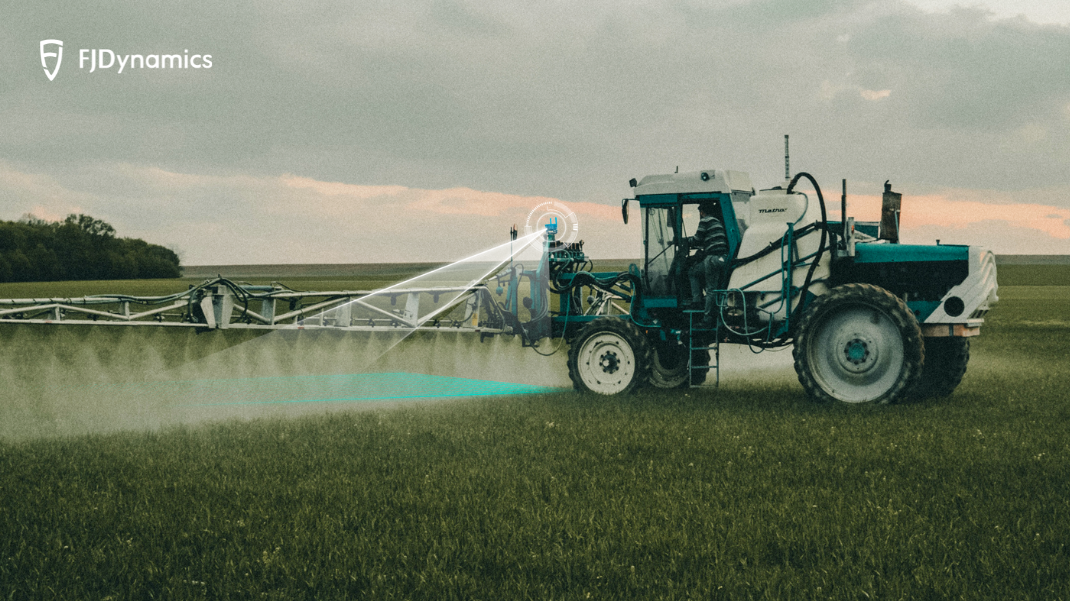
FJD's autosteer systems utilize GNSS satellite positioning and RTK technology to steer tractors with pinpoint accuracy, even in the dark. By automating steering, these systems reduce stress on farmers, who no longer need to constantly focus on driving and can instead monitor equipment or rest. This precision allows tractors to work nonstop during critical times, like land preparation or planting, day or night, helping farmers meet tight deadlines without delays from poor weather or low light.
With FJD's autosteering system, farmers can drive along ultra-precise paths to prevent common errors, such as overlapping rows or missing sections of fields. This saves fuel, reduces wasted seeds or fertilizer, and speeds up tasks like plowing or spraying. By cutting down on mistakes and working efficiently around the clock, farmers can grow more crops with fewer resources, making their operations both cost-effective and environmentally friendly.
Enhanced Visibility with FJD Night Vision
Paired with the FJD Wi-Fi Camera, which uses infrared and automatic light adjustment, operators get a clear view of fields in real time. The camera's live feed integrates with autosteer displays, allowing drivers to monitor both GPS guidance and physical surroundings on one screen.
The Future of Night Farming
Night farming is growing as farmers tackle challenges like climate change, fewer workers, and high demand for fresh produce. New tools like FJD autosteering systems are making this shift possible, and governments may soon update safety rules to address nighttime risks like visibility and worker fatigue. These changes help farms stay productive around the clock, even during scorching daytime heat or labor shortages.
Farmers are now increasingly embracing the idea that innovation can't slow down—as one French grape grower said, "Farming never sleeps, and neither does technology." With smarter tools and safer practices, night farming could soon be as routine as sunrise in fields worldwide.
Looking to bring FJD precision farming tech to your farms? Feel free to contact FJD dealers in your region or contact us here: Contact FJDynamics