Spring is one of the busiest seasons on the farm. Tillage, seeding, and other early-field operations all depend on one thing: keeping every pass accurate from start to finish. But in real field conditions, especially on slopes, precision is harder than it looks. Even if the tractor stays on the guidance line, a trailed implement can still drift sideways, sway, or slip off track because of terrain changes, soil variation, gravity, or hitch geometry. That is exactly the problem FJD Path Assist is designed to solve.
Why slope operations are challenging
On sloped ground, the tractor and the implement do not always behave as one unit. A heavy tillage tool, planter, or other passive implement can be pulled off line by side force, uneven resistance, or its own inertia. This creates implement drift or side-slip, which leads to uneven rows, overlaps, and skips. In spring operations, those errors can directly affect seed placement, field uniformity, and the quality of the job. Traditional tractor-mounted guidance alone cannot fully detect this problem, because it knows where the tractor is, not where the implement is actually working in the soil. So it requires a separate signal receiving antenna.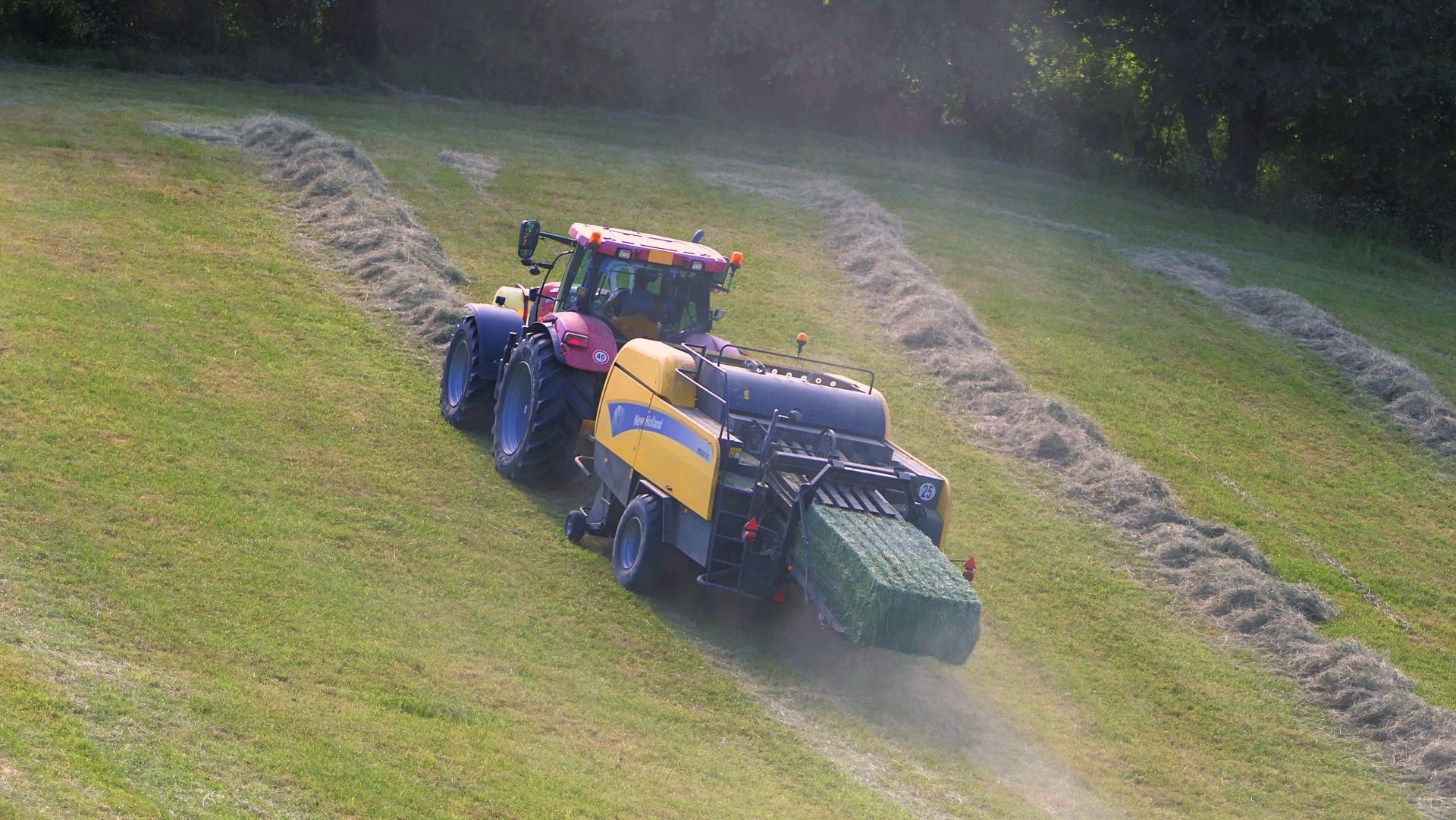
How FJD Path Assist works
FJD Path Assist is built around implement-based positioning and motion sensing. This system uses two key components mounted on the implement: a high-precision GNSS receiver to provide the implement’s actual position, and an angle sensor to detect dynamic movement such as sway or side-slip. The in-cab navigation system then combines that data with the tractor’s path and calculates correction in real time so the implement can stay aligned with the intended guidance line. This matters in spring fieldwork because the part that actually tills, plants, or covers the field is the implement, not the tractor. Path Assist focuses on the true working position of that implement and helps transfer guidance precision to the actual operation.
Proven performance on slopes
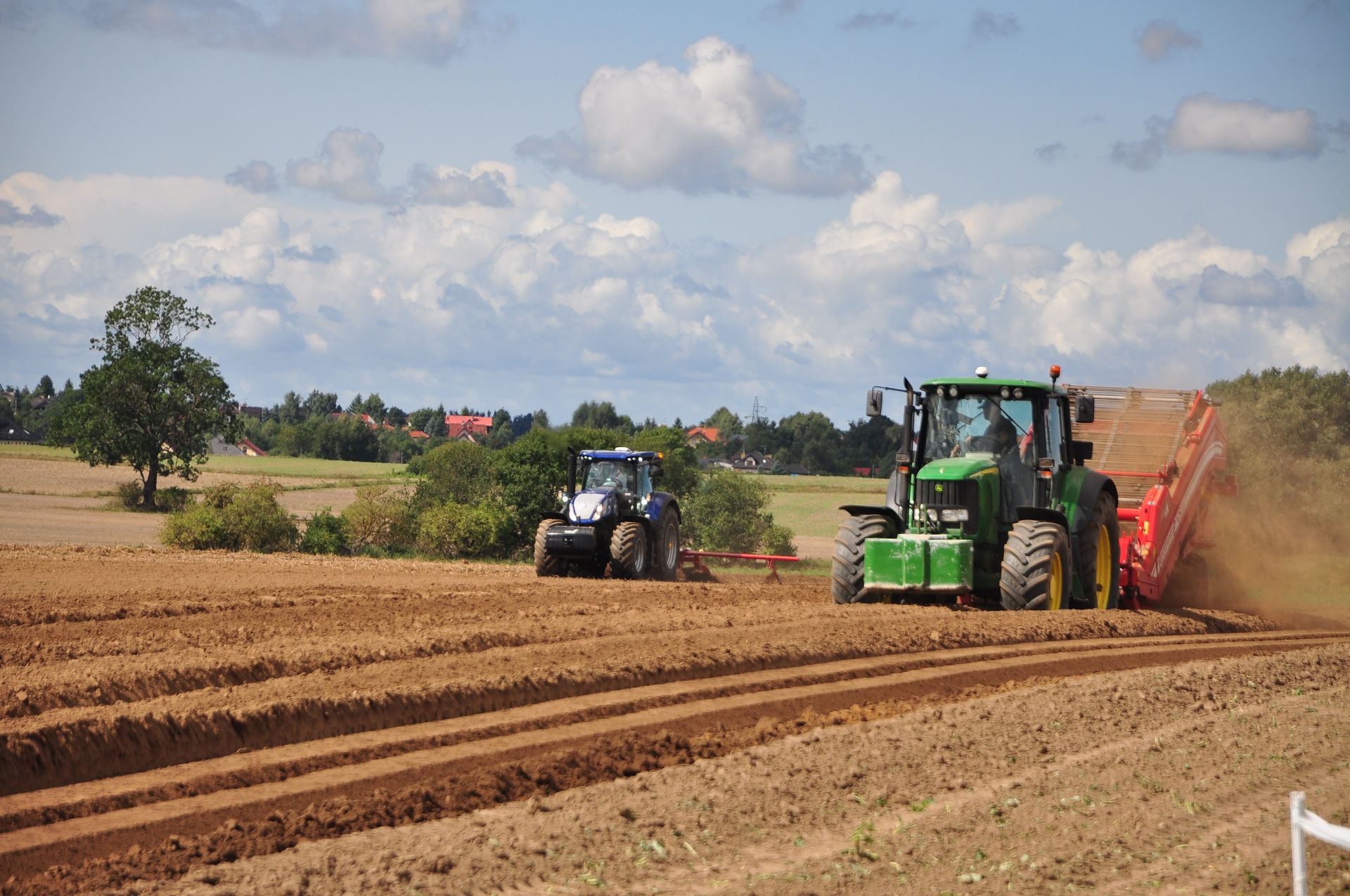
In the Poland field test, FJD evaluated Path Assist with a Massey Ferguson 6465 tractor and a 7-meter tillage implement. The Path Assist components were mounted directly on the implement, while the AT2 autosteer terminal was installed in the cab. The most relevant result for slope operations is that the system was tested on terrain with slopes of up to ±15°. In those conditions, Path Assist successfully countered the side-pull caused by the slope and helped the implement follow the preset path. The document states that the system stayed accurate within about 2.5 cm even in these difficult conditions. The same test also reports that during straight-line driving, Path Assist kept the implement within 0 to 2 cm of the target line, correcting sway and side-slip through real-time position and angle feedback. Together, these results show that Path Assist is not only for flat fields. It is built for real working conditions, including hills and uneven terrain where passive implements are more likely to drift away from the intended track.
What this means for spring tillage and seeding
For spring tillage, accurate implement tracking helps maintain full working width and cleaner passes across the field. For seeding, it supports more consistent row spacing and reduces the risk of missed strips or double-covered areas. The uploaded materials repeatedly connect implement drift with overlaps, skips, and uneven row quality, which are exactly the issues growers try to avoid during spring operations. When fields include rolling ground, contours, or sloped sections, the value becomes even clearer. Instead of relying only on tractor guidance, farmers can monitor the actual position of the implement and keep it working closer to the intended path. That helps maintain precision across more of the field, not just in ideal flat areas.
Built for practical upgrade paths
Path Assist currently works with FJD AT2 and AT2 Max systems. As implement-mounted, it using brackets and adjustable installation for the GNSS receiver on the implement, which supports retrofit-style deployment rather than requiring a completely new machine setup. That makes it relevant for farms preparing for spring work with existing equipment, especially when they need better implement-level precision in demanding terrain.
Conclusion
Spring operations leave little room for error. On sloped fields, passive implements can drift, sway, and slide off line even when the tractor itself is following guidance correctly. FJD Path Assist addresses that problem by measuring the implement’s real position and motion directly, then correcting drift in real time. Based on the Poland field test, the system maintained about 2.5 cm accuracy on slopes up to ±15° with a 7-meter tillage implement, while also demonstrating 0–2 cm straight-line accuracy in drift correction tests. These results make Path Assist a strong fit for spring tillage, seeding, and other field operations where precise implement tracking matters most.
Want to learn more about how Path Assist can reduce implement drift? Contact FJDynamics today, and we'll reach out to you with a customized solution as soon as possible!