Have you ever looked inside your tractor cab and felt like you were staring at a wall of random screens? You buy a new planter, and it comes with its own monitor. You hook up a different sprayer, and there is another heavy display to mount. Before you know it, your visibility is blocked by hardware and a massive tangle of cables.
Is this really how modern farming should look?
You have probably heard the word "ISOBUS" mentioned at dealership lots or farm shows. Today we are going to cut through the confusion. We will look at exactly what this technology is, how you can use it to connect different equipment brands, and how it can save you time, money, and serious frustration out in the field.
What is ISOBUS?
If you are looking for a simple definition, here it is. ISOBUS is a universal communication standard (officially known as ISO 11783) for agricultural machinery types. It acts as a shared digital language. This protocol allows tractors, implements, and displays from completely different manufacturers to communicate seamlessly with each other.
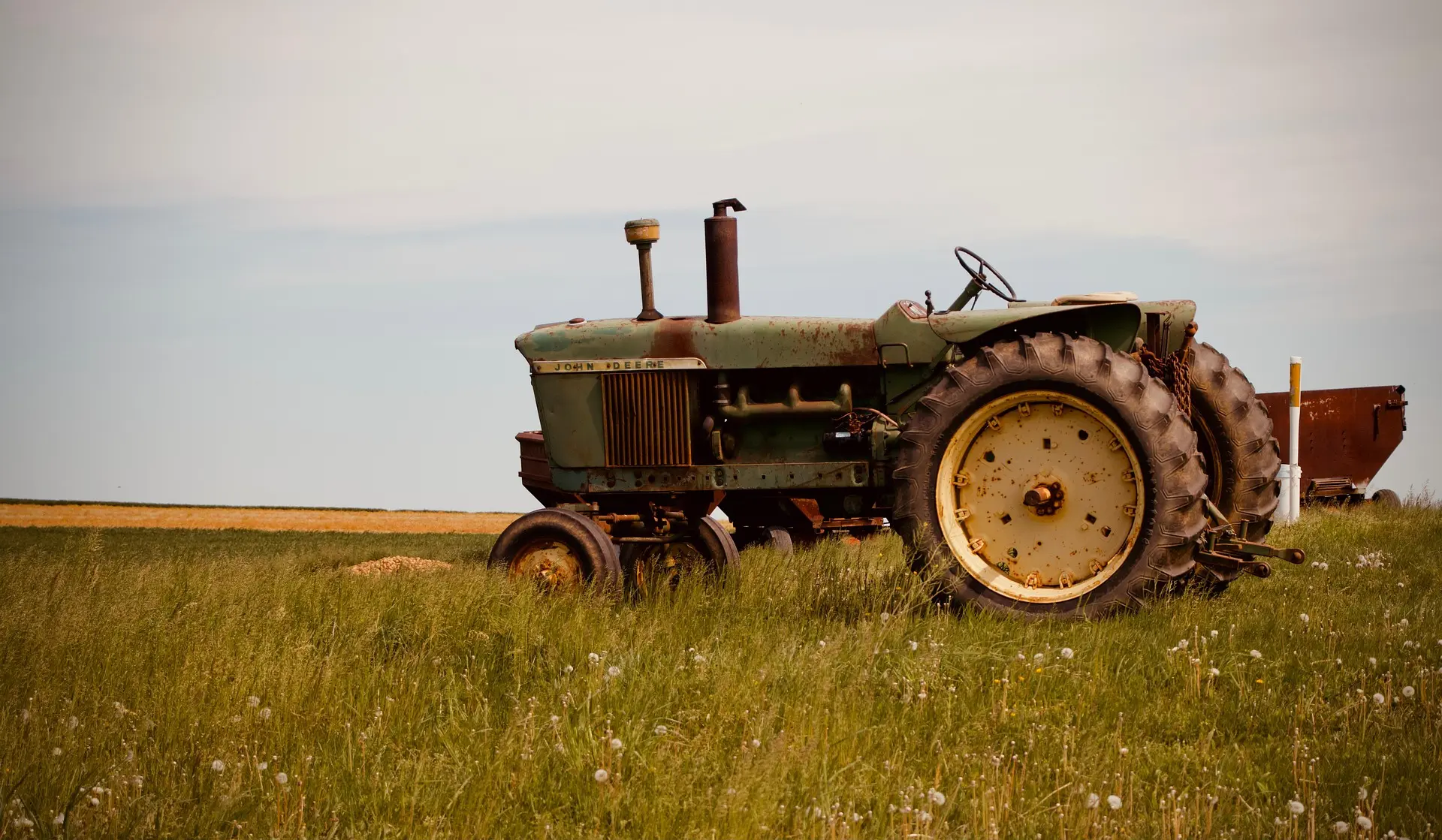
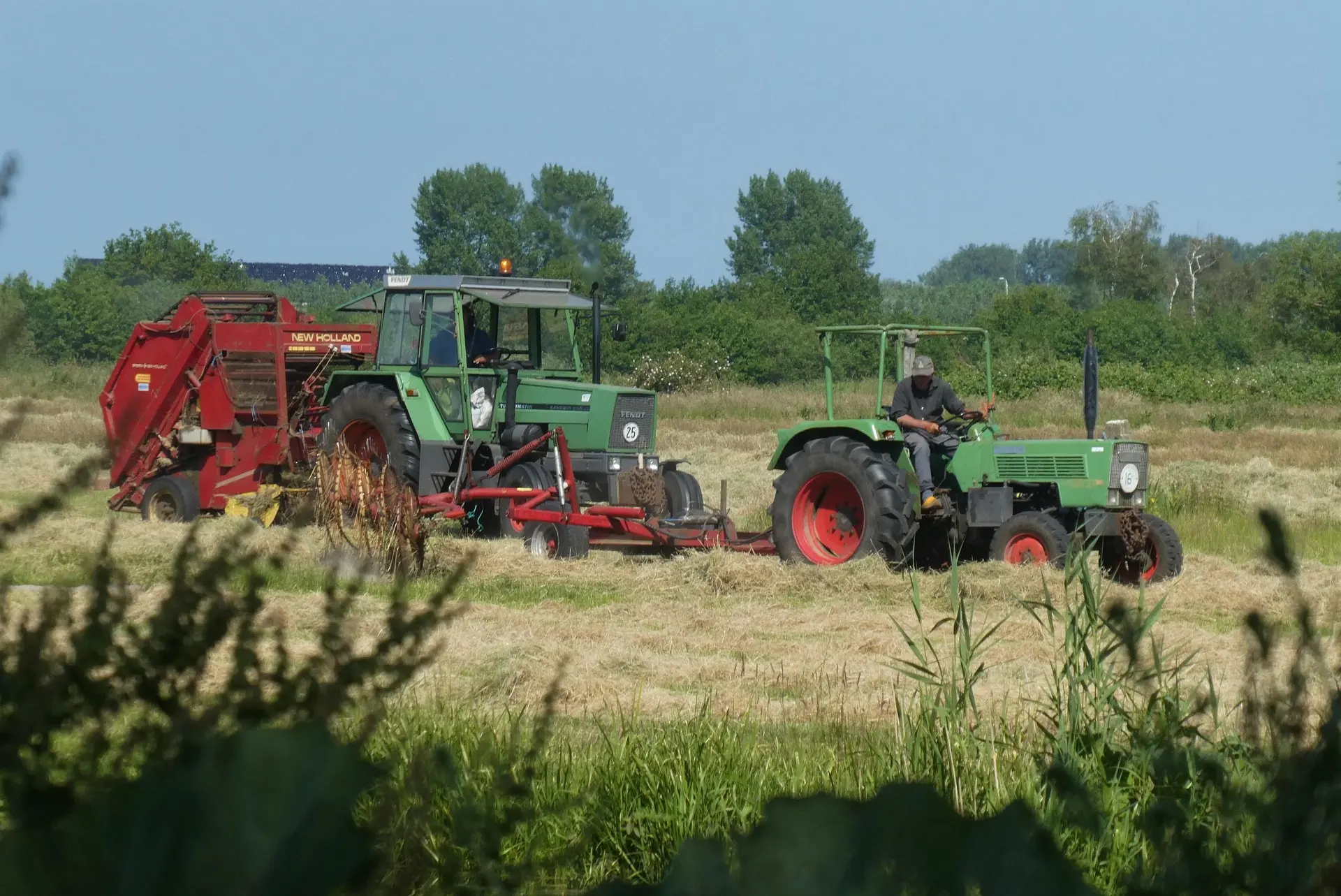
In the past, every manufacturer built their equipment to speak a private language. A green tractor could not talk to a red baler without a complicated custom translator. Today, an ISOBUS tractor changes the rules entirely. You just plug the implement into a standard connector at the back of your tractor. The implement then communicates directly with the universal display already sitting in your cab.
The Real Pain of Mixed Fleets and Monitor Clutter
Very few farms run on just one brand of equipment. You might find an amazing deal on a specific brand of seeder, but your favorite reliable workhorse tractor is a completely different color. You should never feel forced to stick with one single brand just to make your electronics work.
When you use a standardized ISOBUS connector, you take back control of your purchasing choices. You can shop for the very best implement for your specific soil and crop needs rather than buying whatever happens to match your tractor's proprietary computer system.
"I used to have three different screens blocking my right window," shares a common frustration among mixed-fleet farmers. "I spent more time wrestling with cables and figuring out which monitor controlled which implement than I actually did planting.
"Think about the physical space inside your cab. Every extra monitor creates a dangerous blind spot. Every extra wire is something you might snag your boot on during a busy season. By moving to a unified system, you consolidate everything into one single screen. You get your window visibility back and enjoy a much safer workspace.
The True Cost of Your Setup
Feature | The Old Proprietary Way | The Smart ISOBUS Way |
Cab Environment | Crowded with multiple displays and heavy cable clutter. | Clean and safe with one single universal display. |
Brand Choice | Forced to stick with one brand to ensure compatibility. | Total freedom to mix and match agricultural machinery types. |
Setup Time | Takes hours to route cables and mount new monitors. | True plug and play. Just connect the cable and go. |
Cost Efficiency | Buying redundant screens for every new implement. | Buy one high-quality display that controls everything. |
How to Connect Mixed Tractor Brands
Connecting equipment from different brands sounds like a massive technical headache, but standardization makes it surprisingly easy. If you want to integrate a mixed fleet, just follow these core steps:
- Check Your Implement: Look at the manual or the data plate on your implement (like your baler or sprayer). You are looking for an official ISOBUS certification sticker.
- Locate the Tractor Plug: Walk to the back of your tractor and look for the ISOBUS connector. It is typically a 9-pin breakaway connector mounted near the hitch.
- Establish the Hub: You need a Virtual Terminal (VT) or Universal Terminal (UT) inside the cab. This is the screen that will read the information coming from the implement.
- Plug and Play: Connect the implement cable to the tractor plug. Turn on your in-cab display. The system will load the implement's interface directly onto your screen.
Connection Checklist: What You Actually Need
Component | What It Does | Do You Need It? |
ISOBUS Implement | The tool doing the work (sprayer, seeder, baler). | Yes, must be certified. |
Tractor Harness/Connector | The physical plug at the rear of the tractor. | Yes, built-in or retrofitted. |
Universal Display | The single screen in the cab that controls everything. | Yes, replaces proprietary monitors. |
The FJD ISOBUS Solution: Smart and Simple Integration
Upgrading your current setup to a smart system does not need to be a stressful or expensive process. You do not have to rip out your entire setup or buy a brand new tractor. If you want to clean up your cab and improve your daily operations, FJDynamics offers tools designed specifically to solve this problem.
The FJD ISOBUS module brings smart connectivity to your existing fleet. By integrating this technology, you achieve easy configuring across your entire farm operation. It bridges the gap between different brands smoothly and reliably.
To bring everything together visually, the FJD ISOBUS Display Solution acts as your perfect universal hub. It is highly readable, incredibly responsive, and totally user-friendly. You just connect your compatible implements, and the display instantly recognizes them. You can manage seed rates, monitor sprayer sections, and control boom heights all from one bright and clear screen.
This approach focuses on practical efficiency. We want to give you exact control over your implements so you can reduce seed waste, apply fertilizer accurately, and keep your input costs as low as possible.
A Connected Future
Farming tools are evolving incredibly fast. The focus today is clearly on making things simpler, more connected, and highly efficient. Embracing a unified electronic system removes the daily technical headaches from your schedule.
It lets you get back to doing what you do best: growing great crops and running a highly profitable business. The future of agriculture is extremely bright, and it is built on smart connections.