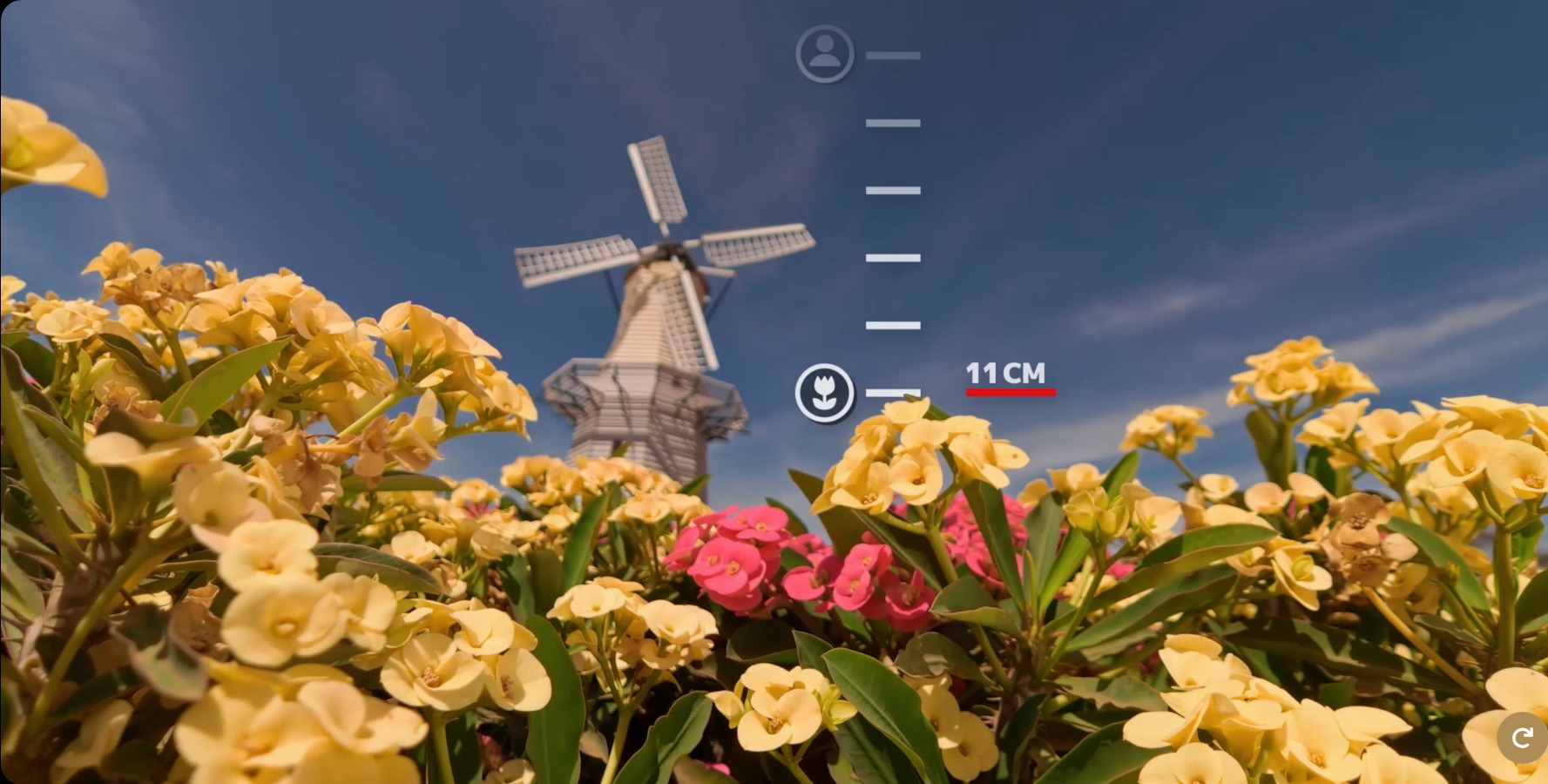
Based in Kazo City, Saitama Prefecture, Nakamori Agro Industry Inc . cultivates about 330 hectares of grains, including paddy rice, wheat, soybeans, and buckwheat. While it is a "mega-farm" boasting one of the largest planting scales in the Kanto region, it is also an agricultural corporation that continues to push boundaries in both production and management, earning Organic JAS (Japan Agricultural Standards) and JGAP (Japan Good Agricultural Practices) certifications in Japan.
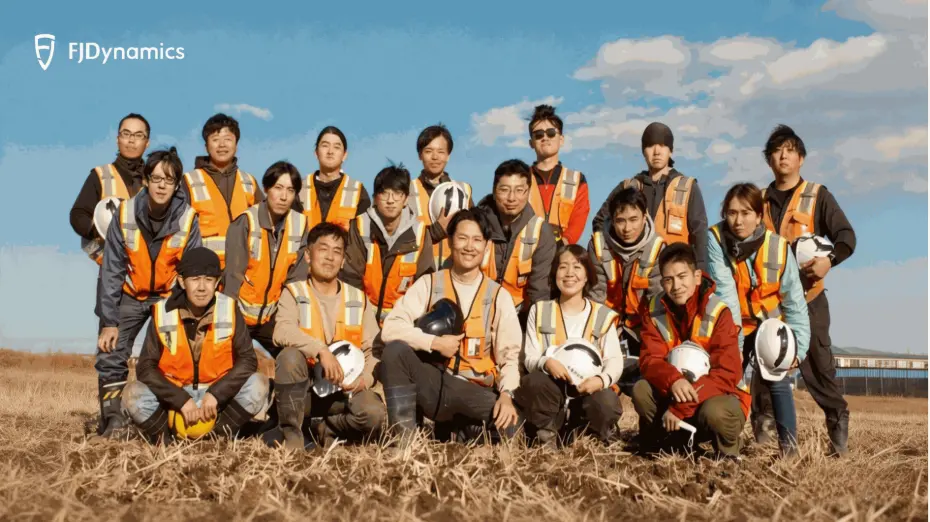
The company employs about 24 people, roughly 70% of whom started with no prior experience in farming. With an average age of around 30, the team is primarily composed of young professionals. Bound by the motto "Save the Food, Change the Future", members gathered from across the country work as a team to support this large-scale farming operation.
The company also focuses on next-generation farming initiatives, such as consolidating fields into larger plots and utilizing AI for management. In 2025, Nakamori Agro Industry introduced two units of the FJD AT2 Auto Steer System for their organic farm automation. Recently, we had a great interview with Hironobu Toi, the Manager of the Kazo Farm Office, about his experience using the FJD system.
The First Hurdle: "Driving Straight"
For Nakamori Agro Industry, which has many young and inexperienced employees, the first major wall they hit is simply driving in a straight line. This is especially true during seeding operations, where the operator must ensure the tractor drives accurately while simultaneously monitoring the status of the implement behind them.
"I think we feel the biggest impact during straight-line seeding," Mr. Hironobu explains. "You have to operate while checking the back to make sure the seeds are actually dropping. When someone inexperienced tries to work hard as a farmer at a place like Nakamori Agro Industry, this is usually the first step where they stumble."
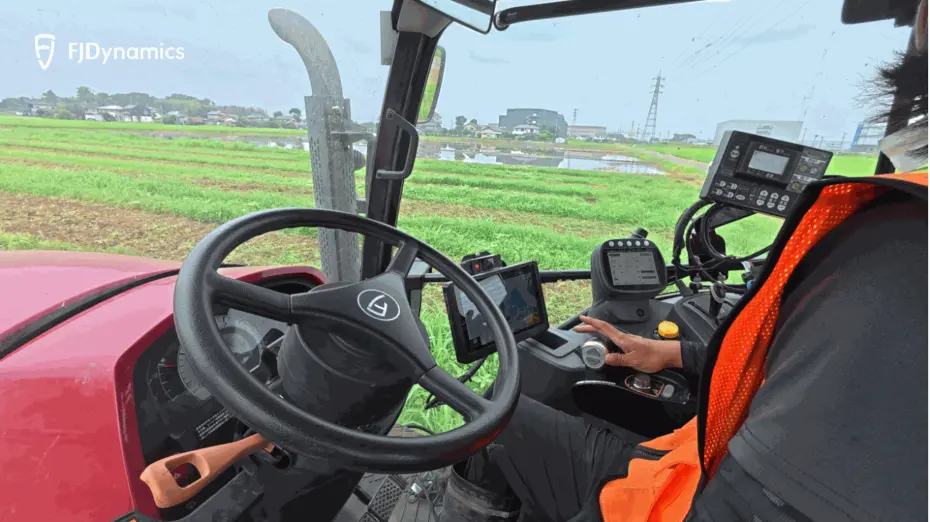
As for the benefits of using the FJD system, Mr. Hironobu continues, "With auto steer, the machine handles the straight line for you, so you don't have to worry about that part. It’s incredibly effective in the sense that you can concentrate on monitoring the work happening behind you without having to fuss over the steering wheel."
The AT2 does more than just help tractors drive straight; it makes it much easier for young people to start a career in farming. This is a huge advantage today, as many experienced farmers are retiring and the costs of running a farm continue to rise. By making difficult tasks simpler, this young farmer technology helps the next generation join the profession with confidence.
How "Straightness" Changes Subsequent Operations
After soybean seeding, the farm uses tractors to perform cultivation and weeding. Here, whether the initial seeding was done straight significantly impacts subsequent management and weed control. This, in turn, leads to reduced crop damage and improved work efficiency.
"Take soybeans, for example," says Mr. Hironobu. "After seeding, we bring the tractor into the field for cultivation to handle weeds. If the seeding wasn't done straight, the cultivator might accidentally catch the crop and pull it out. The degree of straightness during seeding completely changes how you have to operate later on. Using auto-steering makes the rows perfectly straight, and it makes a world of difference when the work is done cleanly."
He continues: "With soybeans, once they grow to a certain point, the leaves cover the ground—what we call 'canopy closure'—which prevents weed seeds from germinating. If you accidentally pull out a soybean plant with the cultivator, it leaves a hole where weeds can sprout. Since we have many members who are still mastering these skills, having straight rows from the seeding stage is a huge help."
More Field Work, More Benefits from Autosteering
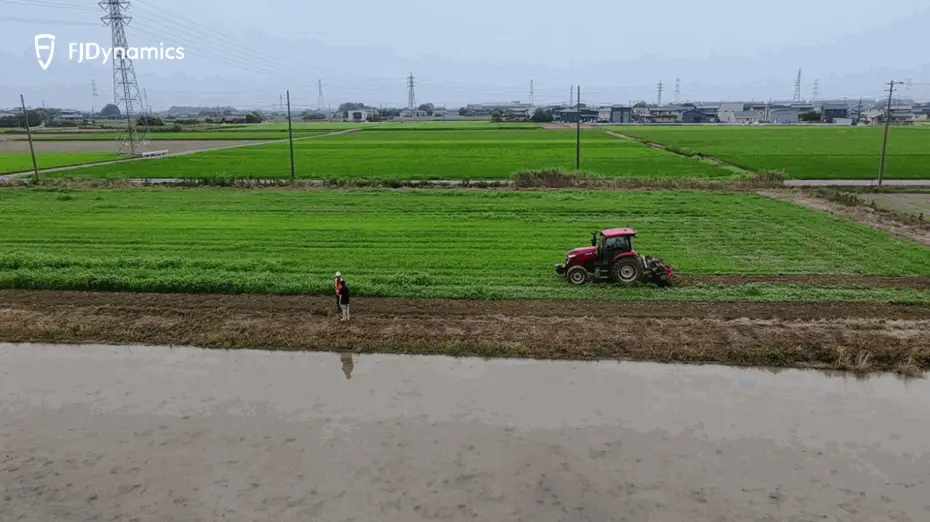
Nakamori Agro Industry has adopted dry-field direct seeding for about 20% of its total paddy rice area. In direct seeding, weeding is critical to winning the race against weeds.
"We use riding cultivators for weeding. If the rows are perfectly straight, the risk of crushing the rice plants with the cultivator tires decreases. I believe it’s very effective," Mr. Hironobu notes.
The company enters the fields three to four times a year after seeding, using various machinery such as the "Weedman" (a riding paddy weeder), high-clearance tractors, and riding management machines. In a work system like direct seeding and weeding—where you enter the same field repeatedly—the precision of the initial seeding is vital.
Autosteering: A Must for Young Mega-Farms
The high-precision straight-line driving provided by the FJD AT2 does more than just make the work easier; it creates a foundation where even less experienced members can be confidently entrusted with seeding and weeding tasks.
For Nakamori Agro Industry, a company with a young workforce looking to expand its scale even further, auto-steering is becoming more than just a labor-saving agriculture device—it is becoming a tool for developing people.
Whether you manage a large farm or a small one, FJD offers a variety of smart tools like the AT2 to help you succeed. For product questions, feel free to reach out to FAG (our distributors in Japan) or contact FJDynamics directly here. We will get back to you as soon as possible!