We have all been there. It is a wet harvest season. You look out the back window of your cab and see the deep ruts your tires are leaving in the soil.
You know exactly what that means. It means burning more diesel next spring to fix it. It means your soil is tight, like concrete. And it means your yield potential just took a hit before you even planted a single seed.
Many farmers believe that soil compaction reduction requires a half-million-dollar fleet of brand-new machinery. They assume precision agriculture is only for the big operations with the latest green or red paint.
Here is the truth: You do not need a new tractor to save your soil. You just need a smarter way to drive the one you already have.
This guide will show you how to implement Controlled Traffic Farming (CTF) using the equipment sitting in your shed right now.
What is Controlled Traffic Farming (CTF) and How Does It Work?
Let’s strip away the technical jargon.
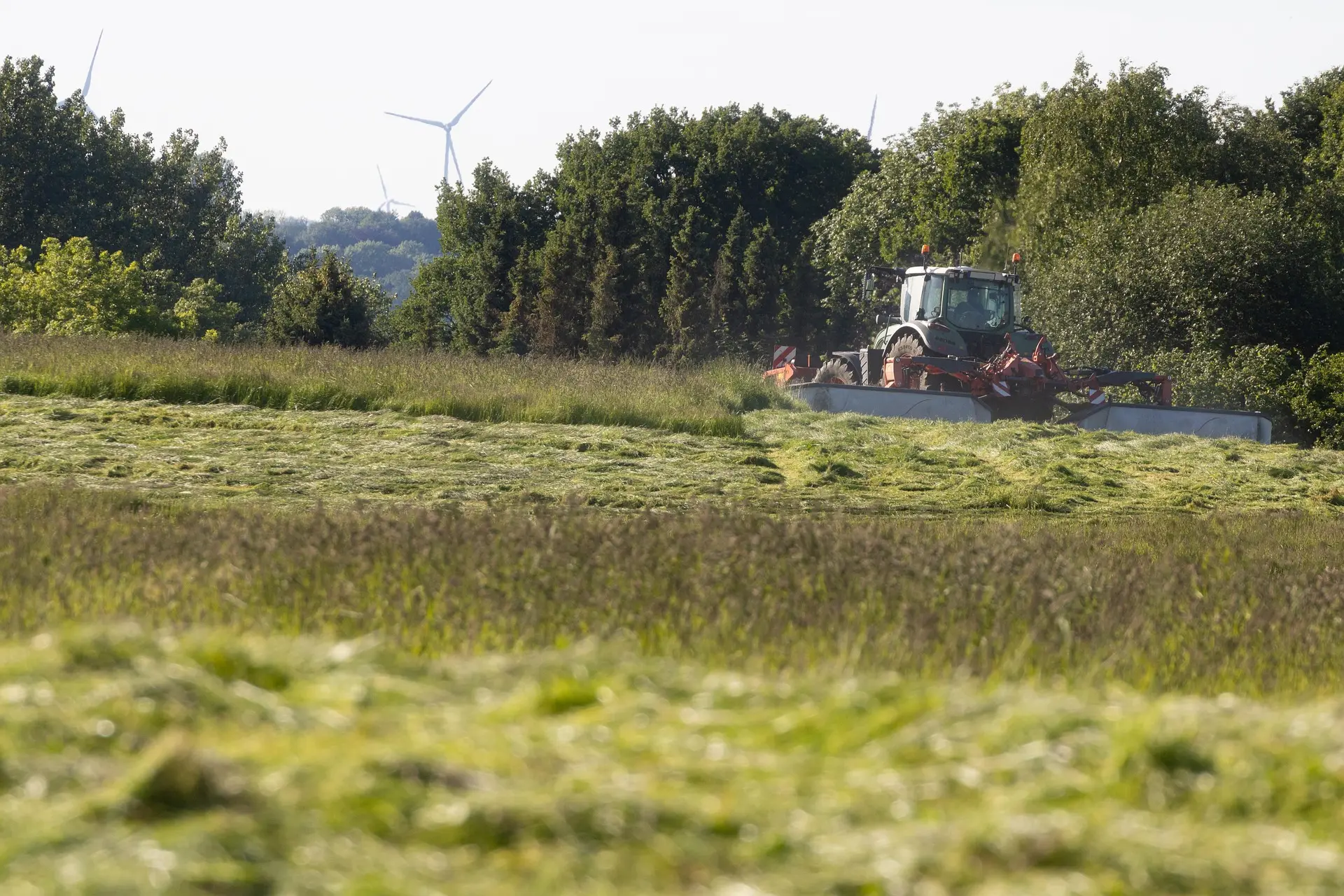
In a conventional "random traffic" system, research shows that machinery wheels can cover between 80% to 100% of a field's surface in a single season. That is a lot of weight crushing your soil pores, restricting root growth, and limiting water infiltration.
Controlled traffic farming is a system where you separate your crops from your wheels. By confining machinery to permanent traffic lanes, you protect the vast majority of your soil.
- The Crop Zone (85-90%): This soil is never driven on. It stays soft, absorbs water like a sponge, and allows roots to go deep.
- The Traffic Zone (10-15%): These are your permanent tracks. They become firm and compacted, which is actually beneficial for traction and fuel efficiency.
How Soil Compaction Reduction Boosts Your Yield
Before we talk about the "how," let's look at the "why." Compaction is not just ugly; it is expensive.When heavy tires roll over soft soil, they squeeze the air out, creating a "hardpan" layer.
- Root Health: If roots hit a hardpan, they stop. Shallow roots mean less nutrient uptake.
- Water Management: Compacted soil causes runoff in wet years and drought stress in dry years. Uncompacted soil holds moisture better.
- Fuel Efficiency: Driving on soft, tilled soil creates high rolling resistance (like driving in loose sand). Driving on firm, permanent CTF tracks reduces this resistance, saving you significant fuel.
Field Insight:"I used to think my yield limits were due to the weather. Then I realized my 10-year-old tractor was crushing my profit margin every time I entered the field. Fixing the path, not the tractor, changed everything." — A common realization among farmers switching to precision methods.
Can You Really Do CTF with Older Tractors?
This is the most common question we hear: "My tractor is from 2015. It doesn't have the technology to drive the same line within an inch every year."
How to Set Up CTF on Older Tractors: A Step-by-Step Guide
Transitioning to controlled traffic farming does not happen overnight. But you can start the process this season with a clear plan.
Step 1: The Audit (Match Your Widths)
Ideally, your tractor, sprayer, and harvester should run on the same wheel centers (track width).
- Action: Measure your equipment. The most critical alignment to start with is your seeding and spraying passes, as these often occur when the soil is moist and vulnerable.
Step 2: Equip Your Tractor with RTK Accuracy (Auto steer for tractor)
You cannot do CTF by hand. Human eyes cannot hold a line within 2.5 cm pass after pass. If you stray off the permanent track by just a few inches, you are defeating the purpose.
- The Fix: Use a retrofit solution like the FJD AT2 Ultra Auto Steer System. It installs directly onto your steering column.
- Why it matters: It uses RTK technology to deliver 2.5 cm accuracy. This ensures that when you set a guidance line, your older tractor follows it perfectly, every single time.
Step 3: Smart Path Planning
Driving straight is good, but driving smart is better. You need to plan your permanent A-B lines so they optimize drainage and minimize turning.
- The Tool: FJD Path Assist. This software helps you map out the optimal route for your field boundaries. It prevents you from guessing and helps lock in the "rails" your farm will run on forever.
Step 4: Data Management
You need to use the exact same lines next year.
- The Solution: A cloud-based system like FieldFusion allows you to save these lines and sync them. This means your sprayer knows exactly where your planter drove, even if it is a different operator or machine.
Comparison: Conventional Farming vs. Retrofit CTF
Is the effort worth it? Let's look at the numbers.
Feature | Conventional Random Traffic | CTF with Retrofit Auto Steer |
Field Coverage by Wheels | 80% - 100% | 10% - 15% |
Soil Structure | Frequent compaction; hardpan issues | Porous, healthy root zones |
Fuel Consumption | High (due to rolling resistance) | Lower (firm tracks reduce drag) |
Equipment Cost | High (if buying new tractors) | Low (using existing gear) |
Yield Potential | Limited by soil health | Optimized (often +10-20%) |
Checklist: Is Your Farm Ready for a Retrofit?
You don't need to guess. If you can check these boxes, you are ready to start.
Requirement | Do You Need It? | Note |
A Tractor | Yes | Any age, as long as it runs reliably. |
RTK Signal | Yes | Essential for 2.5cm accuracy. Standard GPS is not enough5. |
Auto Steer System | Yes | Essential to hold the line without fatigue6. |
New Machinery | No | Retrofitting saves you the depreciation cost. |
Path Planning Software | Yes | Helps optimize lines for irregular fields7. |
Frequently Asked Questions (FAQs)
Q: Can I use CTF on irregular-shaped fields?
A: Yes. While square fields are easiest, smart path planning software can create optimized guidance lines (like adaptive curves) for irregular terrain.
Q: Do I really need RTK for Controlled Traffic Farming?
A: Absolutely. Standard GPS drifts too much. To hit the exact same track year after year, you need the 2.5 cm repeatability that RTK provides.
Q: Is retrofitting expensive?
A: Compared to buying a new tractor, it is very affordable. An auto steer for tractor systems is a one-time investment that pays for itself through fuel and input savings, often within a few seasons.
Your Soil is Your Factory.
Protecting it is the single most effective way to secure your farm's future.
Controlled traffic farming is not about buying the most expensive gear on the market. It is about farming with precision and discipline. By combining your experience with smart retrofit tools like the FJD AT2 Ultra, you can stop crushing your yield potential.
Your older tractor has plenty of life left in it. Give it the smart upgrade it deserves, and let your soil breathe again.
Ready to see how a retrofit fits your specific tractor model?
Configure your precision setup with FJDynamics today and stop compaction in its tracks.