Today, farming is getting super high-tech with smart tractors, drones watching fields, and AI predicting crops. This "precision agriculture" promises bigger harvests, lower costs, and less harm to the environment by using sensors, GPS, and lots of data.
But with all this tech comes a big question: Who actually owns all the farm data being collected, and is it safe? This blog will dive into the hidden dangers of collecting farm data. We'll explain why farmers, policy-makers, and tech companies must act now to keep privacy safe in this new digital world of farming.
Precision Agriculture
Modern farming is now a tech powerhouse. Smart tractors, crop-scanning drones, and AI that predict harvests are helping farmers grow more food, save money, and protect the planet. Precision agriculture uses sensors, GPS, and tons of data to fine-tune everything from soil health to water use. It's like giving farms a digital brain – making them smarter, faster, and greener.
But here's the catch: all this tech gathers a huge amount of information about fields, crops, and equipment. However, farmers often don't control the data their tools create, leaving it open to hacking, misuse by companies, or even unfair business deals. Without clear rules or security, this data goldmine could turn into a privacy nightmare.
Farm Data: What's Being Collected?
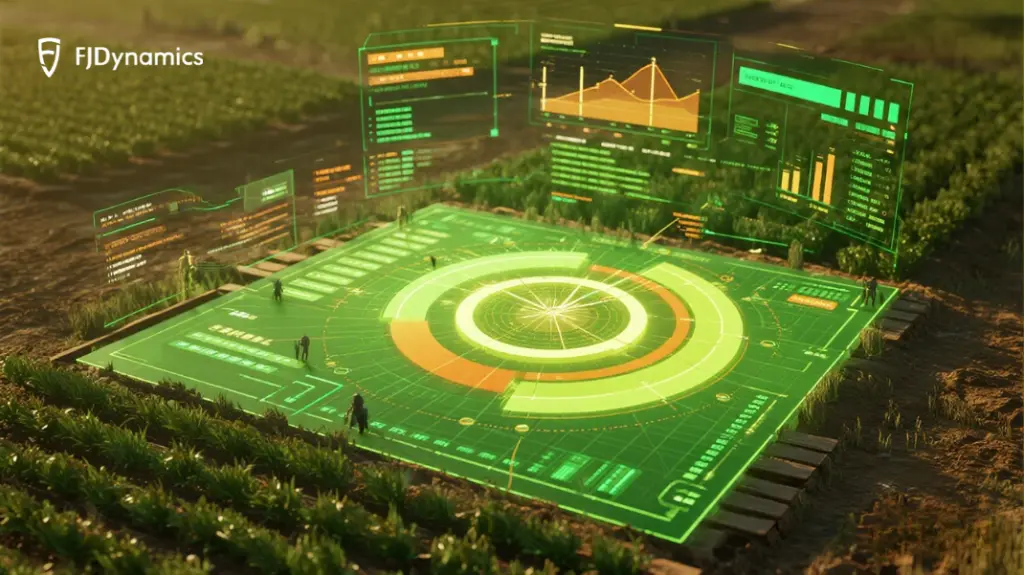
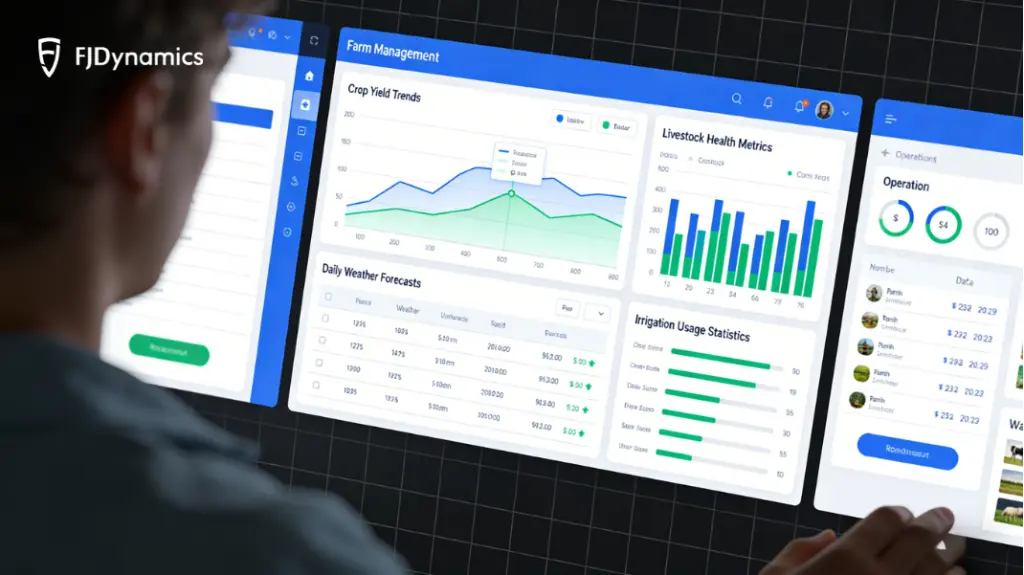
Modern farms create data nonstop. Every second, tools like GPS-guided tractors and soil sensors collect details like field maps (showing soil health or crop yields), equipment stats (where machines are, how much fuel they use), crop health updates (growth speed or disease risks), and hyperlocal weather patterns. This data is powerful. For example, John Deere's systems track 160 million acres of farmland worldwide, while companies like Farmers Business Network use data from 55 million acres to help farmers compare their results with others.
However, farmers usually don't own or control this data themselves. Even though it comes from their own fields and machines, companies often hold and manage it. This means farmers could miss out on useful insights unless they pay for special reports. Even worse, if their data gets leaked or sold, it could harm their privacy or business. Without clear rules, farmers risk losing control over how their valuable data is used—or who makes money from it.
Who's Collecting Farm Data and Why?
When it comes to agricultural practices today, several key players are collecting data that has significant implications for farmers and the industry at large. Understanding who these players are and their motivations reveals a complex landscape of farming data collection that impacts everything from farming efficiency to market dynamics.
Agritech companies: Companies that make farm equipment or software are major data collectors. When farmers use their tractors, sensors, or apps, these companies gather details about crop yields, soil health, and field conditions. While farmers might pay for these tools through subscriptions or equipment purchases, the fine print often lets these companies share data with "trusted partners", which could include seed sellers or other businesses.
Third-party apps: Weather apps, pest-tracking tools, or farm loan services also collect data. Though these apps seem useful, many quietly sell anonymized data—like average crop prices or pest outbreaks—to marketers or insurance companies. For example, an app might tell you when to spray for weeds but then sell that data to a chemical company, which could use it to set higher prices.
Governments and public agencies: Some organizations like the USDA ask farmers to share data to improve farming policies or disaster aid. But when governments collect this info, leaks or mistakes can accidentally expose private details, like exactly where a farm is located or how much money it makes. While this data is meant to help, it might also end up in the wrong hands.
Farm data isn't just numbers—it's valuable. Companies might sell it to your competitors or use it to charge you more for seeds. Hackers could target farms, like the 2021 attack that shut down meat giant JBS, costing millions. Small farms are hit hardest: they don’t have the power to fight tech giants over who controls their data. Without safeguards, farmers risk losing money, privacy, and control over their own work.
The Privacy Gap
Unlike healthcare or banking, farming data isn't protected because there are no strict privacy laws for agriculture. A big problem is confusion over who actually owns farm data. For example, when farmers use apps or equipment from big companies, most contracts don't clearly say if the farmer or the company controls the data.
Many farmers aren't tech experts, and privacy policies are often too complicated or hidden in fine print. This means they might not even know how their farm data—like maps of their fields or how they use their equipment—is being shared or sold to other businesses.
Without clear laws or ownership rights, companies can take advantage of this. For example, farming data could be used to raise seed prices or even shared with banks to deny a loan. Until stronger protections are in place, farmers risk losing control over information that's vital to their livelihood.
The Solutions for Farm Data Protection
New laws could protect farm data like health or bank info. Australia's Farm Data Code, for example, forces companies to explain how they'll use farm data and lets farmers say "no" if they're uncomfortable. Tools like the Ag Data Transparency Evaluator help farmers spot unfair terms in contracts.
Technology can also put farmers in charge: some companies use blockchain (a secure tracking system) to let farmers decide who sees their data, while some free platforms let farmers store data on their own servers instead of corporate clouds.
Farmers need help dealing with digital dangers. Groups like the U.S. National Farmers Union teach workshops about data rights. Farm cooperatives also work together to get better privacy terms from tech companies. Companies should also do their part by using plain language in contracts, letting farmers delete their data or move it, and removing names or locations from data before selling it. Taking these steps together would help farmers keep their data safe, fair, and in their control.
The Future: Balancing Innovation and Privacy
Precision agriculture is here to stay, and it should be. But technology shouldn't come at the cost of privacy. As one farmer said, "I want tech to help my farm, not spy on it." Moving forward, everyone needs to work together: tech companies must put ethics before making money; farmers need to demand transparency; and lawmakers must create rules to protect the people who produce the world's food.
In the end, farm data isn't just numbers on a screen. It's the lifeblood of livelihoods, communities, and global food security. Protecting it isn't optional—it's essential.
Data Sources:
1. https://www.deere.com/assets/pdfs/common/our-company/sustainability/data-book-2023.pdf
3. https://en.wikipedia.org/wiki/JBS_S.A._ransomware_attack
5. https://soygrowers.com/education-resources/grower-education/ag-data-transparency-evaluator/
7. https://nfu.org/2018policy/