Standing at the seed dealer's counter feels different these years. With prices for fertilizer and high-quality seeds climbing, every bag you load into your planter represents a significant chunk of your potential profit.
When input costs rise, the margin for error shrinks. You simply cannot afford to leave money in the dirt through overlap or wide rows.
This is where sustainable farming practices shift from being a "nice-to-have" environmental goal to a financial necessity. In 2026, sustainability is about efficiency. It is about using technology to ensure that every single seed you pay for has the best possible chance to turn a profit. And for many farmers, the most practical solution is already sitting in their machine shed: "Steer Ready" technology.
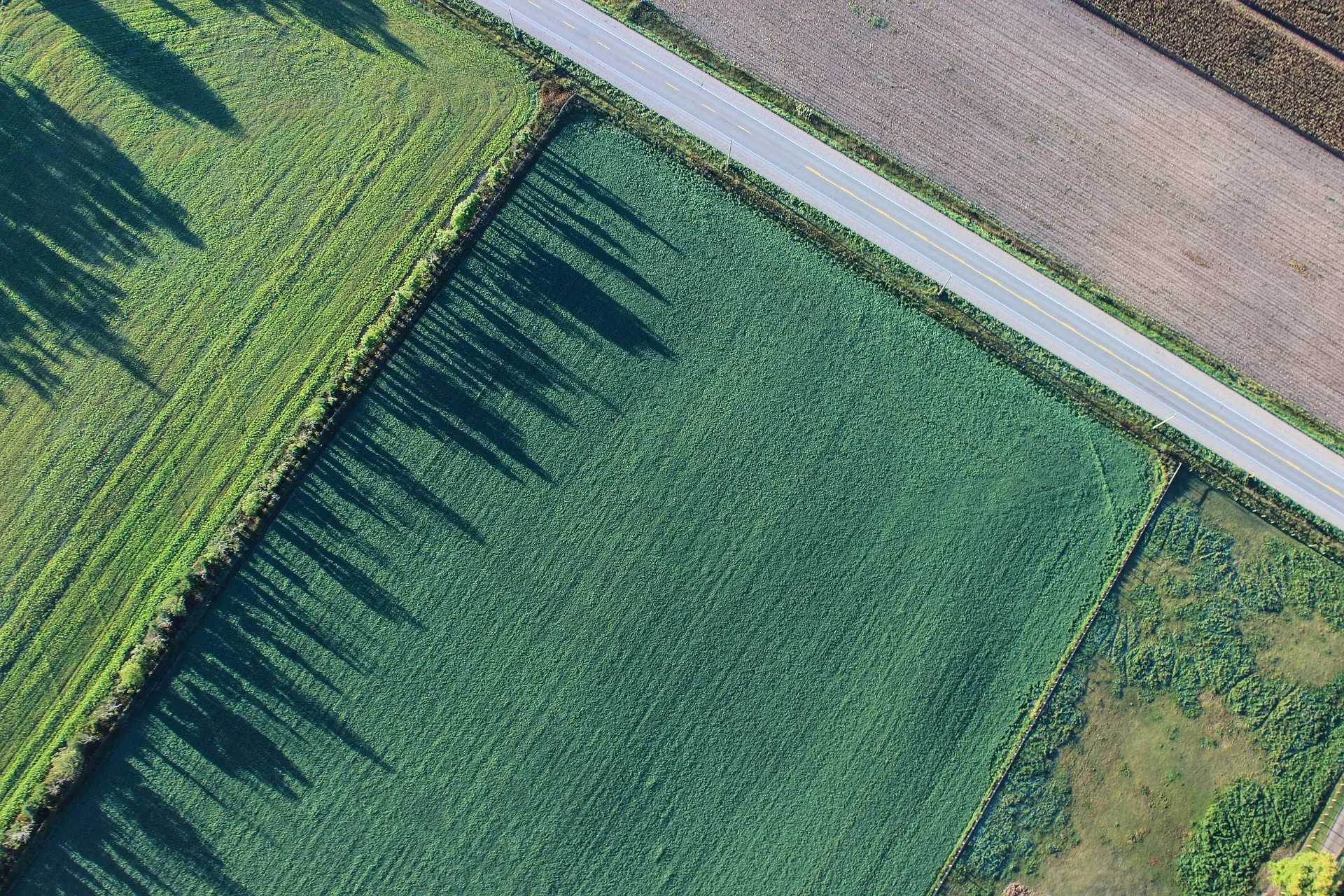
How Manual Steering Drains Your Budget
We have all tried to drive that perfect straight line. You lock your eyes on a landmark, grip the wheel, and focus. But even the most experienced operators are only human. As the hours tick by, fatigue sets in, and lines start to drift.
When you rely solely on manual steering for high-precision tasks like seeding, you face two inevitable problems:
- Costly Overlap: Industry data suggests that manual steering can result in overlap that wastes valuable inputs. If you are overlapping by just a few inches on every pass, that adds up to acres of wasted seed across a whole field.
- Yield-Killing Competition: Double-planting doesn't just waste seed; it creates zones where plants compete for the same water and nutrients, hurting your overall yield quality.
According to a recent McKinsey survey, farmers ranked rising input costs as the number-one risk to their profitability. Eliminating waste isn't just about farming better; it is about protecting your bottom line.
What Is "Steer Ready" Tech?
You might have heard the term "Steer Ready" or "Autosteer Ready" when you bought your tractor. Essentially, this means your machine left the factory with the hydraulic valves and sensors needed for automated steering already built-in.
However, unlocking this capability often requires purchasing a proprietary, expensive monitor from the manufacturer.
This is where smart, third-party solutions like theFJD AS2 and AS2 Max Steer Ready Autosteering Systemscome into play. These systems are designed to bridge the gap. They plug directly into your tractor's existing hydraulics to deliver high-precision navigation without the high complexity.
By utilizing RTK technology, these systems can offer 2.5 cm accuracy. This level of precision transforms your operation from "guessing" to "guaranteeing."
3 Sustainable Farming Practices You Can Start Today
Integrating a steer-ready system allows you to execute specific strategies that define modern, sustainable agriculture.
1.Precision Seeding with Zero Overlap
Sustainability starts with resource management. An automated steering system ensures your tractor follows the most efficient path every time. This precision allows you to minimize overlap significantly, ensuring you use exactly the amount of seed and fertilizer you planned for. On a 1,000-acre farm, reducing overlap from 5% to under 1% puts a substantial amount of money back in your pocket.
2.Protecting Soil Health
Heavy machinery takes a toll on your land. By using RTK-level accuracy, you can practice Controlled Traffic Farming (CTF). This means driving on the exact same wheel tracks for every operation, year after year. This practice reduces soil compaction in your growing zones, promoting better root development and water absorption. Healthy soil is the foundation of any sustainable farm.
3.Extending Your Operational Window
Weather windows seem to get tighter every season. Sometimes, you need to keep the planter rolling long after the sun goes down. Automated steering allows you to operate with the same 2.5 cm accuracy at midnight as you do at noon. You can work longer hours with less fatigue, ensuring your crop gets in the ground when conditions are right.
Manual vs. Steer Ready Precision
To see why this technology is a core component of sustainable farming practices, look at the comparison below. This table highlights why upgrading to a steer-ready system is a smart investment.
Feature | Manual Steering | Steer Ready Autosteering (FJD AS2) | Benefits for You |
Accuracy | +/- 15-30 cm (Variable) | +/- 2.5 cm (Repeatable) | Consistent row spacing and maximizing land use. |
Seed Waste | High (Due to overlap) | Minimal (<1%) | Direct reduction in input costs. |
Driver Fatigue | High (Constant focus) | Low (Hands-free) | Safer operations and longer working hours. |
Terrain Handling | Struggles on slopes | Terrain Compensation | Perfect lines even on rolling or uneven ground. |
Data Tracking | Manual logs | Digital Records | Easy analysis for future planting decisions. |
Making the Switch: Simple and Smart
A common worry is that new tech means new headaches. Farmers want to farm, not act as IT support.
Fortunately, modern precision farming software has evolved. Systems like the FJD AS2 Max are designed with "Easy Configuring" in mind. They support ISOBUS compatibility, which means the system can communicate seamlessly with your existing implements and displays.
You get the benefit of advanced terrain compensation and multiple guidance lines (like curves and circles) without needing a degree in computer science to set it up.
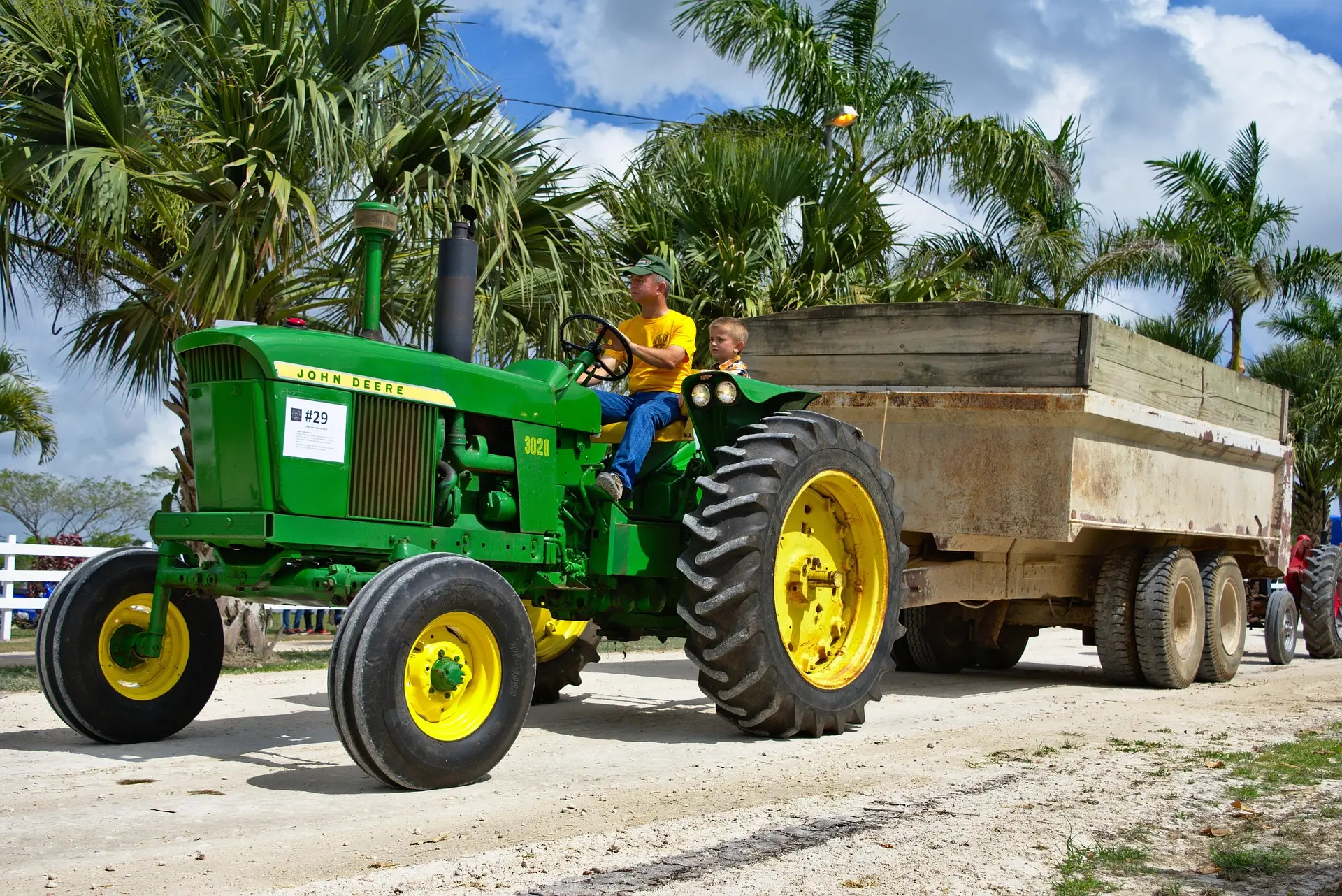
The Future of Agriculture Is Bright
The future of agriculture is bright, but it belongs to the efficient. Adopting sustainable farming practices is the best way to insulate your farm against rising costs and market volatility.
You do not always need a brand-new fleet to achieve this. By activating the steer-ready potential your tractors already have, you can stop wasting seeds, protect your soil, and boost your profitability.
Is your tractor ready to do more?
Explore how theFJD AS2 Steer Ready Autosteering Systemcan help you save on inputs and secure a more sustainable future for your farm.