We have all been there.
It is day three of planting season. You have been running the tractor for 12 hours straight. Every few minutes, you twist your upper body around to check the planter units or ensure the rows are straight. By the time you climb out of the cab at sunset, your back is stiff, and your neck feels locked in place.
As one veteran operator put it:
"I used to think neck pain was just part of the job. Then I nearly backed my sprayer into the farm truck because my mirrors were covered in dust. That was the wake-up call."
Physical pain is one thing, but the anxiety of operating blind is another. Farming equipment is getting larger, and while 60-foot implements improve efficiency, they also create massive blind spots. Relying on mirrors alone leaves you guessing.
This guide covers everything you need to know about upgrading to a tractor camera system. Whether you need to monitor a grain tank or get a 360-degree view of your combine, we will help you find the right setup to protect your equipment and your health.
The Hidden Cost of "Operating Blind"
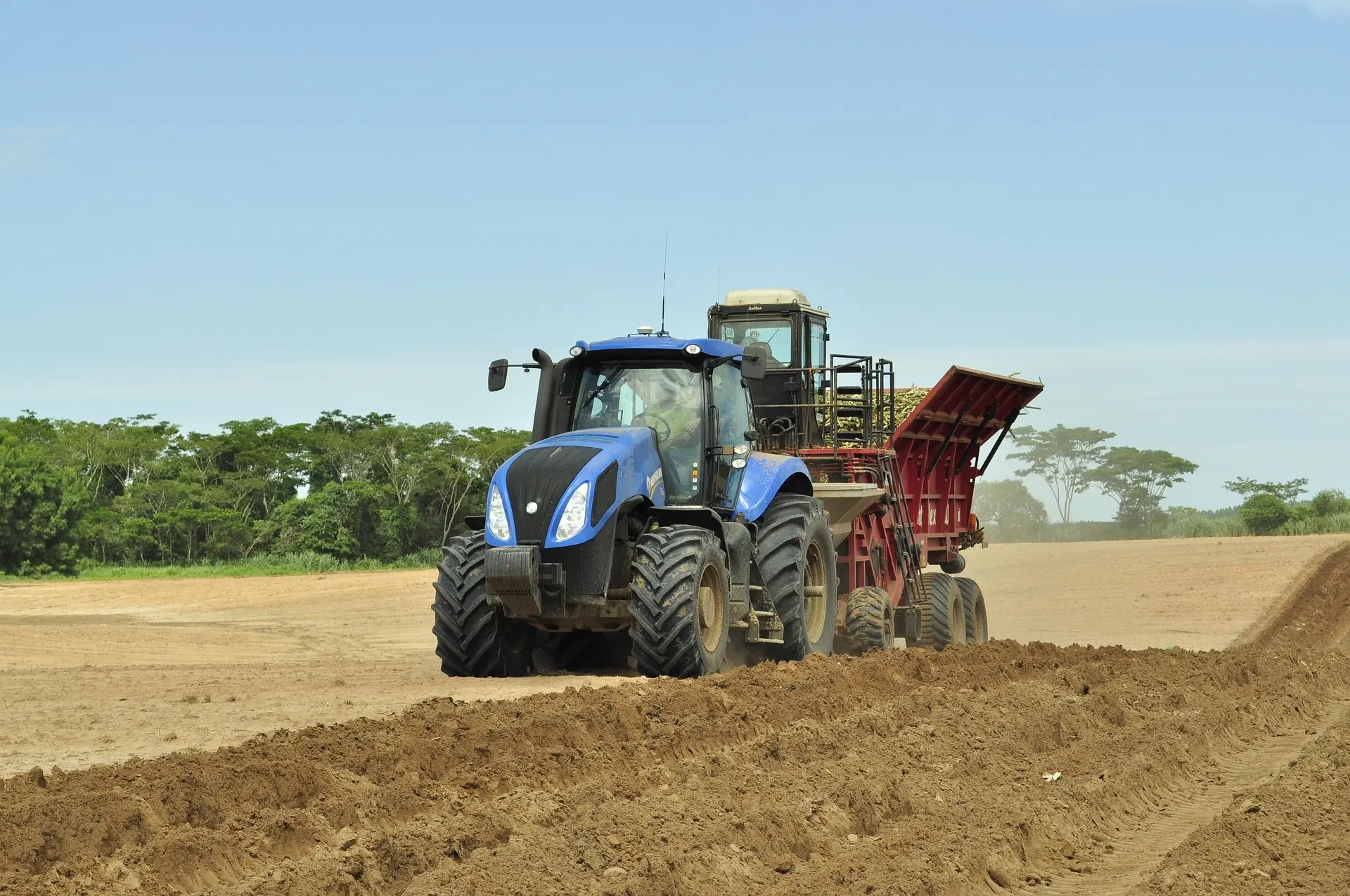
When you are sitting in the driver’s seat of a high-horsepower tractor, you are effectively managing a small building on wheels. Blind spots are not just inconveniences; they are expensive liabilities.
A tractor rear view camera acts as a digital extension of your eyes. It eliminates the guesswork in three critical areas:
- Safety: Seeing farmhands, vehicles, or livestock tucked behind large tires or implements.
- Efficiency: Checking seed flow or grain tank levels without stopping the machine to climb a ladder.
- Health: Reducing the repetitive twisting motion that leads to chronic operator fatigue.
360 vs. Wireless vs. Wired: Which System Fits Your Farm?
Not every farm needs the same setup. The market has evolved to offer specific solutions for different machinery types. Use the comparison below to decide which farm monitoring tech matches your operation.
1. The "Eye in the Sky": 360-Degree Systems
For operators handling massive machinery in tight yards, a standard backup camera is often insufficient. You need total situational awareness.
The FJD 360 OmniView addresses this by stitching together feeds from four cameras into a single, bird's-eye view. It essentially gives you a "drone's view" of your tractor in real-time. This is the gold standard for vision safety, ensuring that nothing—from a stray dog to a fence post—goes unnoticed.
2. The Flexible Fix: Wireless Options
Do you switch implements frequently? Maybe you need a camera on the grain cart today, but on the baler tomorrow. Running cables through hitch points every time is frustrating.
A wireless tractor camera like the FJD Wi-Fi Camera is the answer. With magnetic mounting, you can stick it exactly where you need it in seconds. It connects easily to your terminal or mobile device, keeping your cab clutter-free.
3. The Reliable Workhorse: Wired Systems
For permanent installations where you need a connection that never flickers, regardless of electronic noise, wired systems remain the professional choice.
The FJD Wired Camera offers stability. These are perfect for fixed positions, such as pointing directly at an auger spout. When loading a truck, you need to see exactly where the grain is landing to prevent spills.
Quick Decision Guide: System Comparison
Feature | |||
Best For | Large tractors, combines, tight yards | Grain carts, swapping implements, trailers | Augers, fixed monitoring points |
Primary Benefit | Total Safety: Eliminates ALL blind spots. | Flexibility: Move it in seconds (Magnetic). | Stability: Zero interference, always on. |
Installation | Professional integration recommended | DIY (Stick-and-Go) | DIY (Cable routing required) |
Ideal User | Safety-conscious fleet managers | Farmers with multiple implements | Operators needing a dedicated view |
Strategic Camera Placement for Maximum Efficiency
Simply buying a camera isn't enough; placement is everything. Here are the most effective spots to mount your tractor trailer camera system to solve specific headaches.
The "Troubleshooter" Placement Guide
Your Pain Point | Recommended Camera Spot | Why It Helps |
"I overfill the truck or spill grain." | Auger Spout | See exactly where the grain lands without guessing. |
"I hate climbing the ladder to check levels." | Inside Grain Tank | Monitor fill levels from the comfort of the cab. |
"Is the seed actually flowing?" | Rear of Air Seeder | Visually confirm blockage sensors are accurate. |
"I can't see past this hay bale." | Front Loader / Bucket | Place loads precisely without damaging feed bunks. |
"Backing up this trailer is a nightmare." | Rear Bumper/Hitch | Hook up implements solo on the first try. |
Installation & Durability: What to Look For
Farming environments are harsh. A cheap camera from an auto parts store won't last a week during harvest. When selecting a system, look for these three "Must-Haves":
- IP67 Waterproof Rating or Higher: Your equipment gets pressure washed; your camera needs to survive that. It also needs to handle rain, snow, and fertilizer dust.
- Night Vision (Infrared): Harvest doesn't stop when the sun goes down. A good camera system uses infrared technology to give you a clear picture even in pitch-black conditions.
- Smart, Easy Configuring: You are a farmer, not an IT technician. The best systems plug in, power up, and work immediately. Look for monitors that allow you to toggle between views (like switching from the auger cam to the backup cam) with a single button press.
Conclusion
Upgrading to a tractor camera system is an investment in your most valuable asset: yourself. The return on investment happens the moment you finish a long planting shift without back pain, or when you spot an obstacle in your blind spot that mirrors missed.
Whether you opt for the complete coverage of the FJD 360 OmniView, the versatility of the FJD Wi-Fi Camera, or the reliability of the FJD Wired Camera, adding "eyes" to your machine is a smart move.
Technology in agriculture isn't just about yield data and soil maps. Sometimes, it is about making sure you get home safely and comfortably at the end of the day.
Ready to eliminate blind spots?
Explore the full range of vision solutions at FJDynamics today.