We have all been there. You are standing at the edge of the field. The calendar says it is go-time, but the soil is still a little tacky from the last rain. You climb into the cab hoping for the best, but deep down, you know the weight of your machinery is packing that soil tight.
Soil compaction is the silent yield killer on modern farms. It restricts root growth, stops water from soaking in, and ultimately hurts your bottom line. While we often obsess over fertilizer rates and seed varieties, the physical structure of your soil is just as important.
In this guide, we are going to break down how to protect your yields by pairing the right tillage equipment with a smart path planning strategy.
The Hidden Cost of Compaction in Farmwork
Before we fix the problem, we need to understand exactly what is happening beneath your tires. Modern agricultural machinery types have become incredibly efficient, but they have also become heavier.
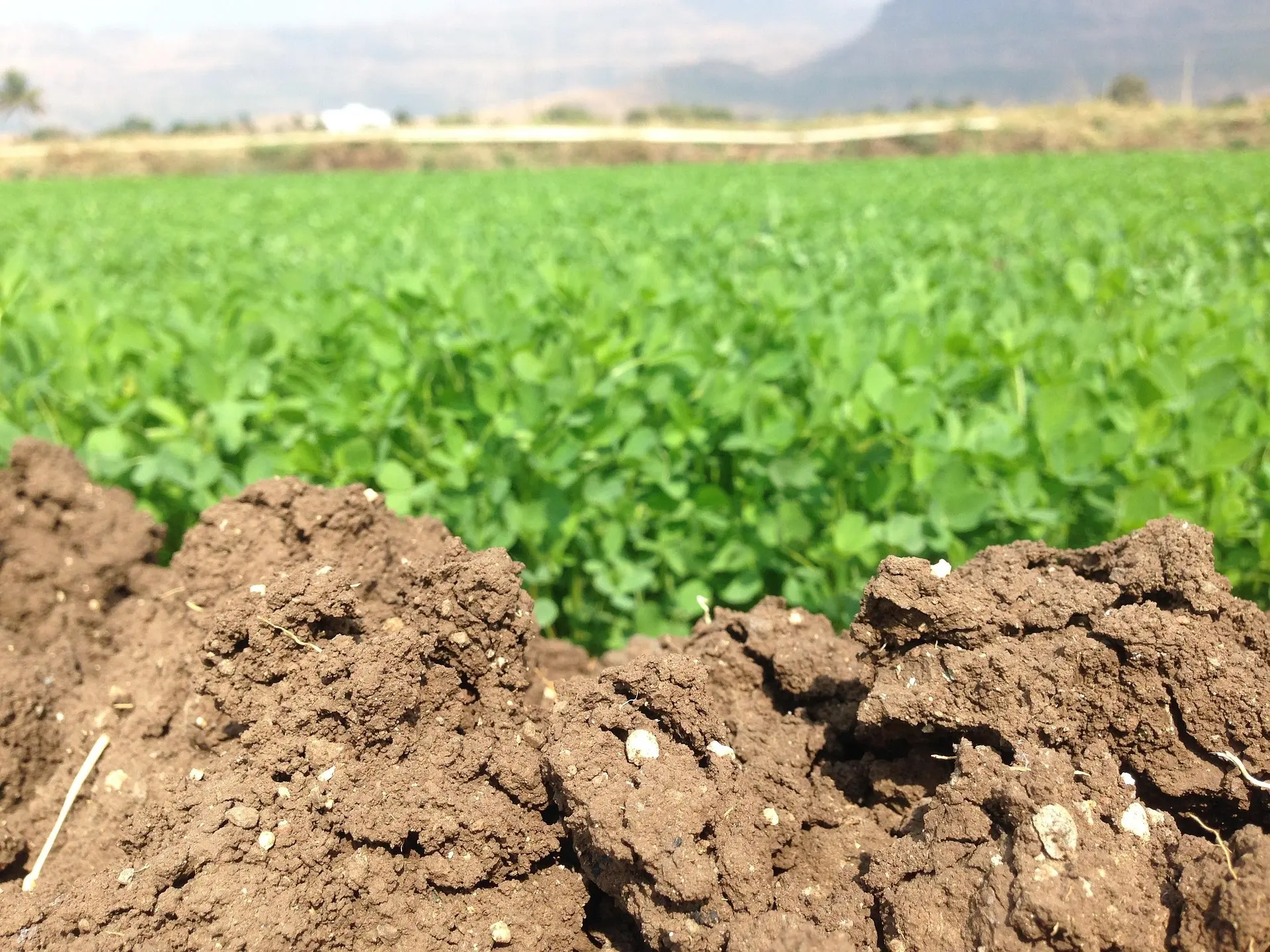
When you drive a heavy tractor or harvester over loose, moist soil, you are squeezing the air pockets out of the ground. This creates a "hardpan" or density layer that roots cannot penetrate. If your roots can't go deep, your crops are less resilient to drought later in the season.
The risks are highest during spring farmwork. One bad pass in the spring can haunt your yields all the way to harvest.
"I used to think compaction was just a buzzword. Then I overlaid my yield map with my tractor's GPS history. The red zones on the yield map matched my grain cart tracks perfectly. That was the moment I realized my own tires were stealing my profit."
— A Precision Ag Adopter & FJD User
Why Vertical Tillage Equipment is the Soil Saver
For a long time, the moldboard plow and heavy disc were the standard tools. They flipped the soil and buried the trash. But that "clean" look often comes with a penalty: a plow pan forming right below the tillage depth.
This is why vertical tillage equipment has become a vital tool for soil conservation.
Unlike conventional discs that shear the soil horizontally, vertical tillage uses straight blades to slice through the ground.
- Fractures, Don't Flips: It cracks the soil vertically. Think of it like opening a vent. This encourages water infiltration and gives roots a vertical path to follow.
- Residue Management: It sizes up corn stalks or wheat stubble but leaves them on the surface. This armor protects the soil from heavy rains and wind erosion.
- No Smear Layer: Because the blades enter the soil straight down, you avoid creating that horizontal barrier that stops roots in their tracks.
Conventional vs. Vertical Tillage Equipment
To help you decide which tool fits your operation, here is a quick breakdown of how they impact your soil structure.
Feature | Conventional Tillage (Plow/Disc) | Vertical Tillage Equipment |
Soil Action | Inverts and turns soil over | Slices and fractures soil vertically |
Compaction Risk | High (creates plow pan smear) | Low (breaks up density layers) |
Water Infiltration | Can seal off subsoil moisture | Improves vertical water movement |
Residue | Buries most residue | Leaves residue on top for protection |
Best Application | Burying heavy weeds or trash | Reducing compaction and saving soil |
The Strategy: Controlled Traffic Farming (CTF)
Using the right tool is only half the battle. The other half is controlling where you drive that tool.
If you look at a typical field map at the end of a season, you might be shocked to see that machinery tires have rolled over 80% of the ground. That is 80% of your field potentially suffering from compaction.
The solution is Controlled Traffic Farming, or simply, smart path planning.
The concept is simple. You separate your field into "traffic lanes" and "growing zones." You sacrifice a small percentage of the land to become hard, permanent tramlines, and you never drive on the rest. This keeps the growing zone soft, porous, and perfect for root development.
Making It Work withFJD Path Assist
Implementing this used to require strict discipline and visual markers. Now, smart guidance tools do the heavy lifting for you. This is where FJD Path Assist becomes a valuable asset for your operation.
It is designed to make complex path planning easy and accessible. Here is how it helps you execute a soil-protection strategy:
- Uniform Traffic Lines: You can record the path of your primary tillage tractor and share that exact line with your planter and sprayer. Every machine stays on the same track, protecting your seedbed.
- Smart Boundary Control: Compaction is often worst at the headlands where machines turn. This tool helps you plan optimal turn paths to reduce unnecessary maneuvering and overlap on the ends of the field.
- Cross-Machine Sharing: Whether you are running mixed fleets of agricultural machinery types, keeping everyone on the same line is crucial for minimizing the compacted area.
You don't need to be a computer wizard to set this up. The goal is to configure your paths once and let the system help you drive smarter all season long.
3 Pro Tips for Managing Wet Fields
Even with the best tillage equipment and path planning, sometimes the weather forces your hand. Here are three tips to minimize damage when you have to work in less-than-ideal conditions:
- Check Tire Pressure: Lower your tire pressure (within the manufacturer's limits). This creates a larger footprint, spreading the weight of the machine over a larger area. It reduces the pressure applied to any single square inch of soil.
- Manage Your Ballast: If you are not doing heavy draft work, strip the extra weights off your tractor. There is no need to carry extra iron if you are just spraying or planting.
- The 24-Hour Rule: It sounds obvious, but patience pays. Giving the field just 24 more hours to dry can significantly reduce the depth and severity of compaction.
Common Questions About Soil Structure
Q: Can vertical tillage equipment fix deep compaction?
A: Vertical tillage is excellent for surface consolidation and preventing new compaction layers. However, for deep subsoil compaction (below 12 inches), you might still need a ripper to shatter the hardpan initially before switching to a vertical maintenance system.
Q: Is Controlled Traffic Farming (CTF) worth it for small farms?
A: Absolutely. While big farms see efficiency gains, small farms often operate on tighter margins. Protecting soil structure on limited acreage is vital to getting the most profit out of every acre available.
Q: How accurate does my guidance need to be?
A: To effectively practice path planning and minimize overlap, you generally want high accuracy. This ensures that year after year, your tires are hitting the exact same tracks rather than widening the compacted zone.
The Foundation of A Profitable Farm
Healthy soil is the foundation of a profitable farm. By upgrading to modern vertical tillage equipment and implementing a disciplined path planning strategy, you aren't just moving dirt. You are engineering a better environment for your crops.
We have the technology today to farm smarter. Whether it is choosing the implement that fractures rather than smears, or setting up a guidance line that saves your soil structure, every decision counts.
Ready to stop compaction from eating into your yields?
Take a look at howFJD Path Assistcan help you organize your field traffic and protect your most valuable asset.