When you picture a farm field, do you imagine perfectly flat land or neat rows of raised soil mounds? For many farmers and growers, especially those cultivating crops like tomatoes, potatoes, and various other vegetables, the way they organize their fields is more than just an aesthetic choice—it's a crucial part of their farming strategy. The use of ridged patterns, such as raised soil mounds or furrows, plays an important role in optimizing crop growth, improving soil health, and increasing overall yield. In this blog, we'll explore why ridge planting matters and how FJD AT2 Autosteering technology is making this method easier and more effective in China.
FJD AT2 enables precise ridge planting
What Is Ridge Planting?
Ridge planting is a farming method where long, raised mounds of soil (about 6-12 inches high) are formed in fields before or during planting. These elevated rows, common in greenhouses and open fields worldwide, help plants grow healthier by improving soil conditions. While it's not cost-effective for crops like wheat or corn, it’s perfect for many fruits, vegetables, and root-based plants that thrive in well-drained, nutrient-rich soil.
This technique works best for plants that need extra room or protection underground. Fruits and veggies like tomatoes, peppers, and melons grow stronger on ridges, while root crops such as potatoes, carrots, and radishes expand freely in the loose soil. Tuber plants like sweet potatoes and ginger also benefit, along with deep-rooted species such as eggplants and certain flowers—all thanks to better airflow, warmth, and space for roots to stretch out.
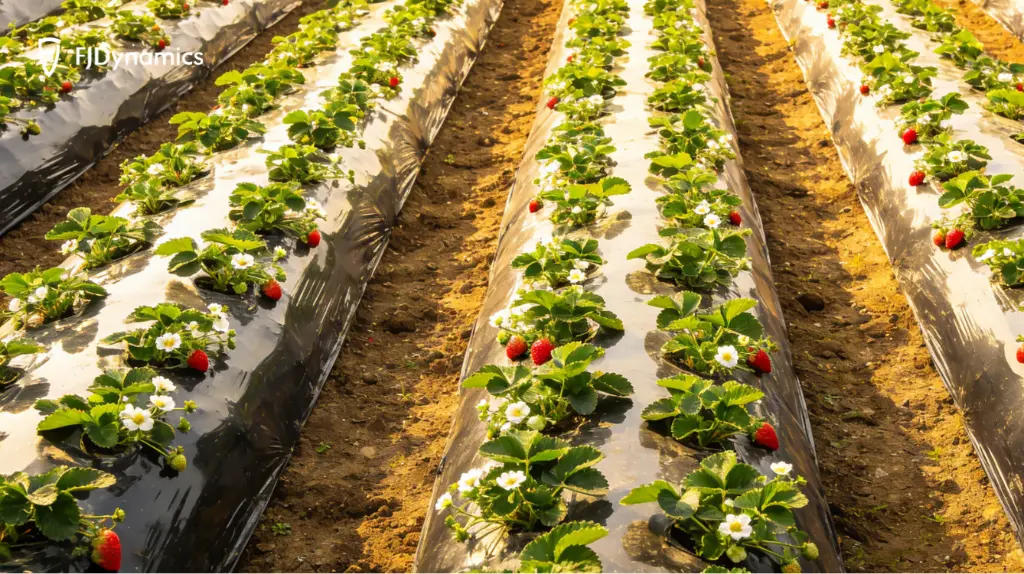
Ridge planting solves common farming challenges. The raised rows prevent waterlogging, keep soil warm, and make it easier for plants to access nutrients. Grains like corn or wheat don't need this extra effort, but for moisture-sensitive crops or those grown in compacted soil, ridges act like a cozy, protective bed. It’s a simple, natural way to boost yields without relying heavily on chemicals—making it a favorite for growers of everything from crunchy cucumbers to juicy strawberries.
Top Benefits of Ridge Planting
This method offers numerous advantages for farmers, gardeners, and landowners alike. Below are some of the top benefits of ridge planting:
Better soil and water: When you make ridges, the good dirt from deeper underground (15-30 cm down) gets moved up. This mixes the soil and makes it richer. The soil on the ridges also gets looser, so air and water can move through it better. Plus, the ridges help keep the soil warmer and hold onto water better around the plant roots. This means seeds sprout faster, and the young plants grow stronger with good roots.
Fertilizer works better: The ridges let more air get to the soil, which helps the good tiny bugs in the soil grow. These bugs help the plant food (fertilizer) break down faster, so the plants can eat it better. Also, since the plant roots mostly grow in the ridge, if you put fertilizer in the spaces between the ridges, the roots on both sides can easily reach it.
Fewer sick plants: If it rains a lot, the ridges help the extra water drain away so the roots don't get soggy and rot. Also, when you dig the soil to make the ridges, any bad stuff like bug eggs or plant diseases that are hiding underground get brought to the surface. The sun, cold weather, and dryness can then kill them. Because the ridges help water drain, the soil doesn't stay wet, which means fewer diseases and pests that like damp conditions.
Warmer soil and more sunlight: Plants on ridges get sunlight from more sides, not just from above. This makes the soil a little warmer (about 2-3 degrees) and gives the plants more sunlight (about 30%). This helps the seeds sprout and the plants grow up and ripen faster and stronger because they get more light.
While ridge planting offers numerous advantages, it's essential to consider factors like soil type, climate, and the specific crop being grown. The optimal ridge height and spacing will vary depending on these factors. Careful planning and execution are crucial for successful implementation.
The Ridge Revolution with FJD's Autosteering Tech in China
In northern China's cold, dry climate, ridging has long been essential for farming success. Heavy clay soils and unpredictable rainfall made traditional flat farming risky—waterlogging crops during rare rains or leaving roots too cold in early spring. Raised ridges solve these issues by draining excess moisture and warming soil faster, giving crops like potatoes a crucial head start in regions with short growing seasons. But creating perfect ridges was never easy, especially as farms expanded to meet modern demands.
For many years, ridging required expert skill and endurance. Farmers had to steer tractors in perfectly straight lines while adjusting equipment manually—often jumping off mid-process to shovel soil or fix uneven ridges under harsh weather. "We needed three people: one to drive, two to watch and fix errors by hand," recalled a potato grower in northern China. Mistakes meant wasted time and energy, and hours of intense focus left farmers mentally drained. These challenges limited both efficiency and farm scalability.
Ridging planting was changed when more and more farmers in China adopted the FJD AT2 Auto Steer System in recent years. With its GNSS receiver using China's BeiDou and other global constellations, the AT2 guides tractors with satellite-powered accuracy (0-2.5 cm). Farmers simply set the desired ridge spacing once, and the system maintains flawless alignment—no more wobbling rows or manual adjustments. This "set-and-forget" technology turns grueling labor into a streamlined process.
Beyond precision, the AT2 gives farmers new flexibility. Autopilot mode allows him to monitor progress outside instead of being stuck in the tractor cab. It works equally well in greenhouses and vast open fields, adapting to diverse farming needs. As one farmer noted, "Without the AT2, we'd spend hours under the scorching sun. Now, those straight ridges mean less work and more confidence in our harvest."
FJD AT2 automatically steers the machine to make ridges
According to the farmer, the AT2 cuts ridging time by 2-4 hours per acre—a game-changer for large-scale operations, especially under challenging northern weather conditions. By eliminating human error and manual fixes, it reduces labor costs and fuel use while maximizing field space. The farmer now can reinvest saved time into other critical tasks, like crop monitoring or soil care, boosting overall productivity.
With the AT2, the farmer can also save ridge maps for the next season, which means repeatable precision for crop rotation. As the farmer admires his perfectly aligned ridges, he smiles: "We're going to have another good harvest this season". With technology like FJD's autosteering system empowering today's farming, the farmer from northern China can meet modern agricultural demands sustainably and efficiently, with renewed optimism.
FJD AT2 requires less labor and time for ridge making
Precision Farming Is the Future
Ridge planting isn't about replacing traditional wisdom – it's about enhancing it with smart tools. As the farmer put it: "The AT2 didn't change how I farm; it changed how much I enjoy farming." With benefits ranging from bigger harvests to reduced chemical use, ridge planting supported by autosteering tech represents a practical step toward efficient, sustainable agriculture.
Whether you're managing a small vegetable plot or a commercial greenhouse operation, those neat rows of soil might just be your ticket to better crops and easier farm days. Ready to make ridges like a pro? Embrace the future of farming with FJDynamics today!
Learn more about FJD autosteering tech: FJD AT2 Auto Steer System
Contact us for customized farming solutions: Contact FJDynamics