You operate on tight margins. Whether you manage five acres of organic vegetables or a twenty-acre hay operation, you know that efficiency is the difference between a good year and a stressful one. You likely look at large industrial farms with their self-driving combines and think that technology is out of reach.
But in 2026, the game has changed. The technology that once cost as much as a pickup truck is now sized (and priced) for your machine.
Your compact tractor is the versatile hero of your operation. It mows, tills, hauls, and seeds. This guide explores how you can squeeze more value out of that machine and why smart upgrades are becoming standard for the modern small farm.
Is Your Tractor Working as Hard as You Are?
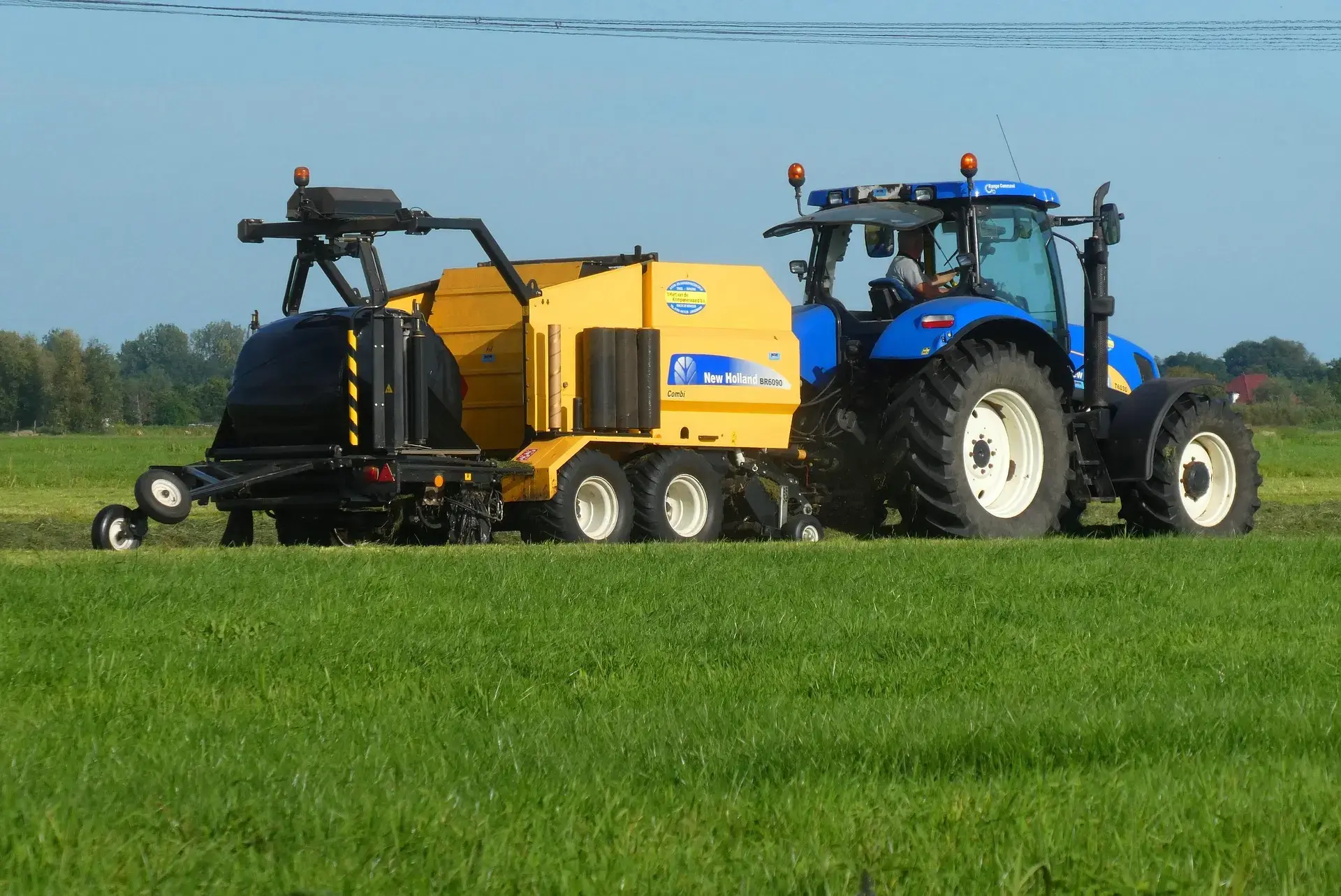
First, let us look at the machines powering small farms today. According to recent buyer trends, the best tractor for small farm operations usually falls in the 25 to 70 horsepower range. These machines are built to be agile and fuel-efficient.
You might own one of these top-rated performers:
- John Deere 3025E (25 HP): A favorite for mowing and light hauling on small to mid-sized farms.
- Kubota L3301 (33 HP): Known for reliability in tilling and material transport.
- Massey Ferguson 4707 (70 HP): A robust choice for those needing extra power for hay baling.
- New Holland Workmaster 25S (25 HP): Perfect for maneuvering through tight vineyard rows.
These are excellent machines. However, a tractor is only as efficient as the person driving it. Even the most skilled operator cannot maintain perfect straight lines for eight hours straight. This is where human limitations meet mechanical potential.
The Hidden Costs of Manual Steering
You know your land better than anyone else. So why would you hand over control to a computer? The answer lies in the invisible waste that accumulates during manual operation.
1. The "Overlap" Tax
When you steer manually, you naturally overlap your passes to avoid missing spots. In mowing or spraying, this overlap might seem small. But over a 10-acre field, a 10% overlap means you are effectively treating 11 acres. You are wasting fuel, fertilizer, and time.
2. The Physical Toll
Farming is physically demanding. Constant micro-adjustments to the steering wheel cause shoulder and back strain.
"I used to think GPS was just for the big combines. But after a long day in my compact utility tractor, my back hurt and my rows were crooked. The auto steer didn't just save me seed; it kept me fresh enough to enjoy dinner with my family."— A common sentiment among small farm owners upgrading to precision tools.
3. Working Against the Clock
Weather windows are shrinking. Sometimes you need to plant or spray before a storm hits, even if visibility is poor. Manual steering requires you to see the ground clearly. GPS guidance does not.
Task Breakdown: Where Do You Gain Efficiency?
Many small farm owners wonder if the investment pays off for their specific tasks. We analyzed common compact tractor applications to see where precision tools add the most value.
Task | Challenge with Manual Steering | Benefit of Auto Steer System |
Mowing & Bush Hogging | Hard to judge the cut line in tall grass, leading to missed strips or heavy overlap. | Ensures full cut width every pass. You finish the field faster and burn less diesel. |
Spraying & Fertilizing | Over-application burns crops; under-application allows pests/weeds to thrive. | Reduces overlap significantly. This directly lowers your chemical bill. |
Tilling & Seeding | Crooked rows waste space and make future harvesting difficult. | Creates perfectly straight rows (often within 2.5 cm accuracy), maximizing land usage. |
Night Operations | Nearly impossible or dangerous due to lack of visibility. | Allows you to work confidently after sunset to beat approaching weather. |
The Solution: Right-Sized Tech for Your Farm
For a long time, the barrier was price. Putting a $15,000 system on a $25,000 tractor made no financial sense. But the market has shifted.
Solutions like the FJD AT2 Lite Auto Steer System are built specifically to solve the "commercial tech for small tractors" dilemma.
- Affordability: It provides the functionality you need without the bloated features (and price tag) of industrial systems.
- Simple Installation: You do not need to be an IT expert. It is designed for easy configuring, minimizing downtime so you can get back to the field.
- Versatility: Whether you have a John Deere, Kubota, or Massey Ferguson, the system is designed for extensive compatibility across brands.
How to Choose the Right System for Your Needs
If you are ready to upgrade your small farm equipment, look for these three things:
- Accuracy: Look for RTK capability if you need sub-inch precision for seeding. For general tillage, basic GPS might suffice.
- Terrain Compensation: If your land has hills or slopes, ensure the system can adjust for the tilt of the tractor to keep your lines straight.
- Ease of Use: You want a clean display that does not clutter your compact cab.
Smart Farming is for Everyone
Efficiency is not reserved for the giants of agriculture. By equipping your compact tractor with precision tools, you are investing in the longevity of your machine and your own well-being. You reduce waste, save time, and make your operation more profitable.
Technology is ready. The question is, are you ready to get more out of your tractor?
Curious if the FJD AT2 Lite is compatible with your specific tractor model?
Contact us today for a quick consultation.